Customers often make choices using their eyes before taste. Meat that looks clean, uniform, and properly handled gives a signal of quality. People connect red beef, pink pork, or white fish with freshness, safety, and good flavor. Research shows consumers often select visually clear meat over meat with dull color. Visual appeal gives the impression of proper storage, handling, and quality.
Small markets notice that customers ask for cuts arranged in clear layers first. Color, surface, and moisture affect perception strongly. Slight discoloration can make meat less desirable. Adjusting the display, arranging cuts neatly, or using a clean surface can increase sales without changing the product. Business owners who focus on presentation often see repeat customers. Visual clarity helps customers feel confident about a purchase before tasting.
Visual signals create trust. People assume meat that looks clean and consistent comes from careful handling and is safer to eat. Trust builds from repeated experience where visually clear meat meets expectations. Supermarkets, butcher shops, and small stores notice that customers buy meat that looks uniform more often.
Parents tend to select cuts that look safe for children. Restaurant customers prefer meat that shows a clear surface. Clear appearance reduces hesitation, encourages repeated visits, and promotes customer loyalty. Even if freshness is the same across products, visual signals make a difference. Stores focusing on arranging, cutting, and keeping meat clean see steady growth in customer confidence.
Color drives immediate choice. Red beef, pink pork, and white chicken indicate freshness. Gray or brown signals aging or spoilage. Customers often decide based on these cues alone. A butcher in a small market noticed more sales after arranging cuts under a clean surface to show natural color.
Color influences perceived taste. People expect meat with proper color to taste better. Adjusting lighting and display surfaces enhances natural appearance. Simple changes can increase attention and sales without altering the product. Business owners who understand visual cues often see clear results in purchase decisions.
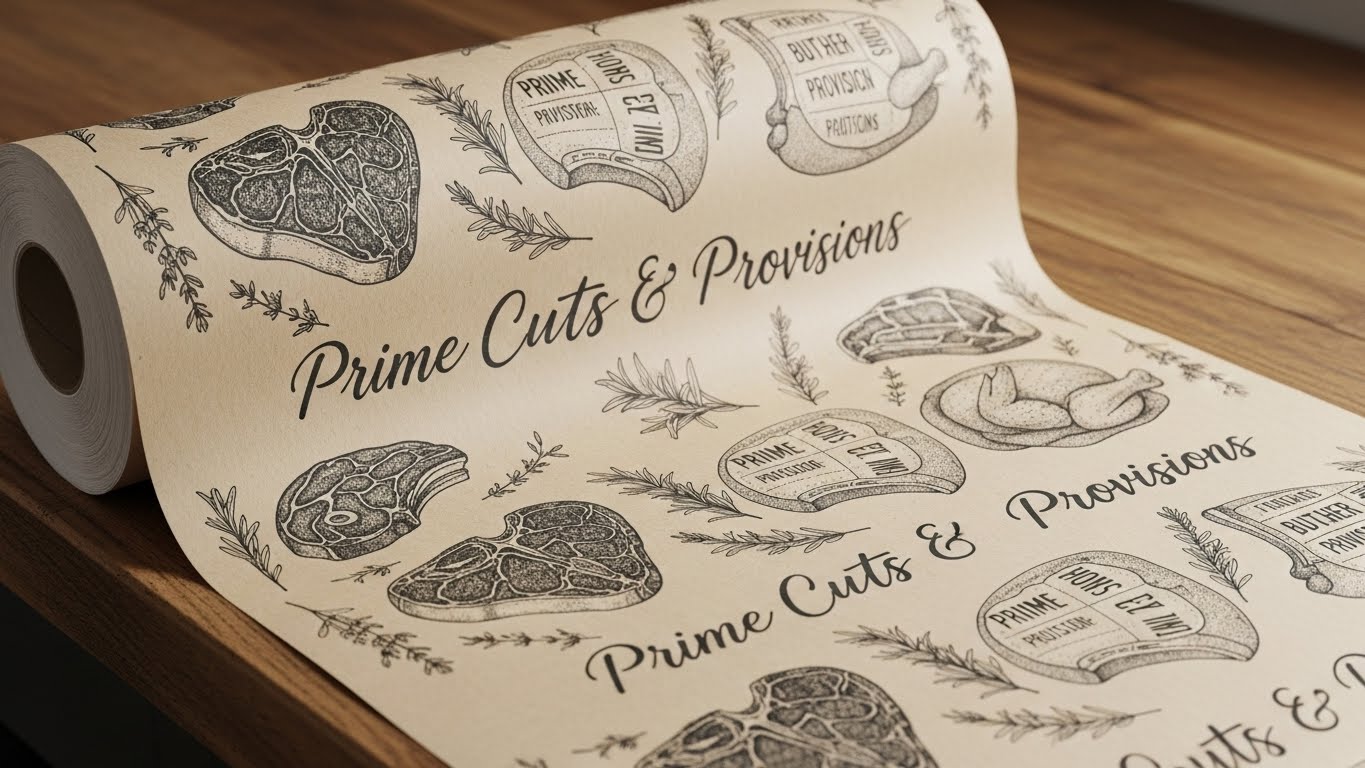
Texture influences perception visually before tasting. Cuts with a uniform surface seem handled carefully. Rough or uneven edges suggest older cuts. Smooth, consistent layers attract attention. The marbling pattern indicates quality. Moisture on surface signals proper storage without being sticky. Custom kraft paper supports handling and arrangement while maintaining surface quality.
Butchers notice customers favor uniform slices. Trimming fat and arranging pieces evenly increases interest. Visual texture allows customers to guess tenderness and cooking quality. Paying attention to surface arrangement encourages selection. Simple adjustments in handling make meat appear more reliable and encourage repeated purchase.
Smell supports visual choice. Fresh meat carries a mild scent signaling safety. Any strong odor reduces confidence. Combining smell with a clear surface gives reassurance and encourages purchase.
Stores use temperature control and airflow to keep scent clean. Fish counters use light mist to maintain surface clarity and reduce odor. Customers respond positively to a combination of visual and scent cues. Visual clarity paired with mild scent improves trust and increases purchase frequency.
Cutting and arranging affect visual appeal strongly. Uniform slices or layers allow customers to see patterns clearly. Piled or disorganized cuts reduce interest.
Stories from butchers show neat arrangement increases inquiries and quicker sales. Standard thickness and placement signal careful handling. Uniform presentation gives customer confidence in freshness. Small changes in display create noticeable differences in customer response.
Labels influence trust. Notes like “Fresh Today” or “Local Farm” reassure customers. Clear labeling combined with visual clarity encourages selection.
Handwritten signs or printed tags provide background on the product. Stores using notes on origin or care see higher interest and willingness to pay. Visual quality with labels helps customers feel informed and confident. Presentation and simple labeling together increase purchase frequency.
Temperature affects surface, color, and moisture. Cold or warm storage can reduce visual clarity. Surface moisture levels must stay consistent without pooling.
Controlled display enhances appeal. Fish counters lightly mist the surface under controlled chill. Beef and pork benefit from flat arrangement in cold storage. Customers notice consistency in surface and color. Proper handling in storage supports visual freshness and encourages repeat selection.
Storytelling adds value to visual cues. Customers respond to origin or care stories. Sharing farm practices or handling steps gives context. Using custom printed butcher paper preserves surface and moisture, enhancing visual clarity.
Small butchers reported higher interest when mentioning origin while showing cuts. Stories reinforce perception of quality and freshness. Connecting visual presentation with story strengthens trust and encourages customers to select products. Stories help customers feel connected to products beyond surface appearance.
Small details affect perception. Even fat edges, marbling, or trimmed bones change visual impression. Customers often notice these differences.
Stores arrange cuts to face customers for a better view of patterns. Minor details communicate care. Changes in display orientation, trimming, or layering influence customer decisions. Simple attention increases selection without changing product or taste.
Surface treatments preserve clarity. Moisture retention and natural finish prevent dull appearance. Dry or matte surface suggests older product.
Storeowners use simple methods to maintain surface consistency. Clear visual signals improve purchase likelihood. Mild surface moisture enhances perception of freshness. Clear surface gives customer confidence while keeping handling simple.
WaxPapersHub provides materials that support clear appearance. Small markets and startups use materials to keep cuts uniform and neat. Combining proper arrangement with supportive material increases trust and encourages repeat selection. Businesses that use WaxPapersHub solutions maintain reliable visual presentation while keeping product safe. Materials from WaxPapersHub help display cuts clearly for customer selection.

