
Gall bladder stones — often called gallstones — may sound like a minor issue, but for many people they are anything but minor. Those sharp, sudden pains around the upper right abdomen, nausea after meals, or chronic indigestion can significantly disrupt daily life. In many cases, the long-term solution lies in surgery — and today, the laparoscopic approach is increasingly becoming the standard of care. For residents considering laparoscopic gall bladder stone surgery in Hisar, it’s essential to understand what makes this method so effective and why it’s widely recommended by surgeons and patients alike.
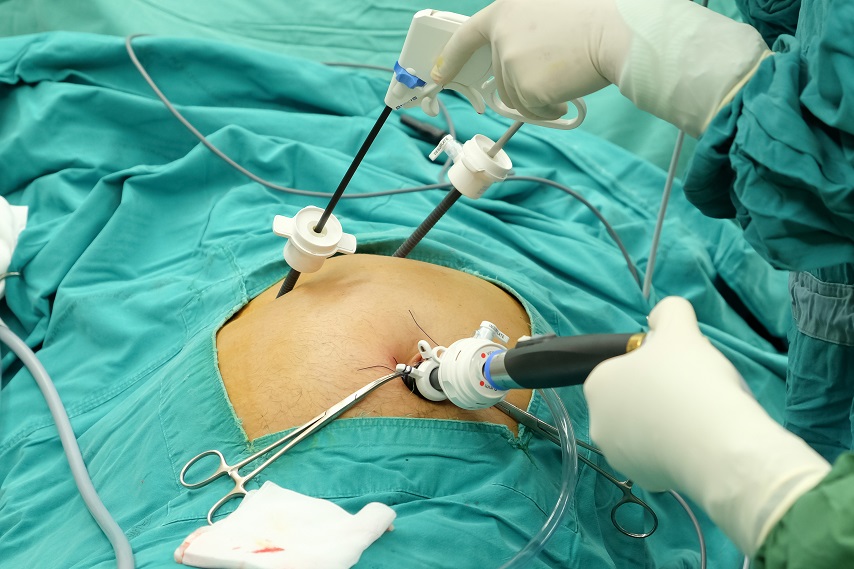
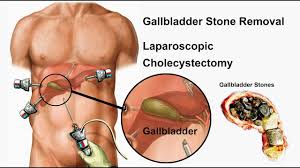
In simple terms, laparoscopic gall bladder stone surgery — medically known as laparoscopic cholecystectomy — is a minimally invasive surgical procedure used to remove the gall bladder entirely due to stones or symptomatic gallbladder disease. Rather than a large incision, the operation is done through a few small cuts in the abdomen. Through these, a tiny camera and surgical tools are inserted to safely detach and extract the gall bladder. This technique has replaced traditional open surgery in most cases because it is safer, faster, and easier on the body.
From a patient’s perspective, the advantages of laparoscopic over open surgery are compelling:
From a surgeon’s perspective, the clarity of the view afforded by the laparoscopic camera — essentially a magnified image of the surgical field on a screen — means more precise and controlled movement. This technological edge is part of why this technique is considered the “gold standard” for gallbladder removal today.
Not everyone with gallstones needs surgery. In fact, asymptomatic gallstones — those that don’t cause pain or digestive disruption — often don’t require immediate treatment. But if you’re living with regular attacks of discomfort, nausea after eating, or you’ve experienced episodes of jaundice or fever, surgical evaluation is highly warranted.For residents of Hisar and surrounding regions, choosing laparoscopic gall bladder stone surgery in Hisar means accessing specialized surgical care without having to travel far from home. With advancements in minimally invasive surgery becoming more widespread, many local hospitals can deliver the same quality outcomes that once were only available in major metropolitan centers.
To demystify it a bit: the day of surgery usually begins early in the morning after fasting. In the operating room, general anesthesia ensures you’re comfortable and pain-free. A few small incisions — typically three to four — are made in your abdomen. Carbon dioxide gas inflates the area slightly to give the surgeon room to work. Then, the laparoscope (small video camera) and instruments are introduced. The gall bladder is carefully detached and removed. By the end of the surgery, all instruments are withdrawn and the incisions closed.Total operative times can vary based on the complexity of the individual case, but many procedures take about 30 to 90 minutes. Most patients remember little to nothing of the surgery itself due to the anesthesia.
Recovery stories often highlight how life changes after surgery. Many patients report being able to eat normally once again without fear of triggering pain or discomfort. While some may notice digestive changes initially, most adapt within a few weeks. The relief from chronic pain and the return to everyday activities usually outweigh temporary postoperative adjustments.
Yes, there can be occasional discomfort, and in rare cases — under 5% — complications like minor bile leaks or wound infections occur, but these are treatable and far less common than in traditional surgery.
If you’re considering laparoscopic gall bladder stone surgery in Hisar, you’re not alone. It’s one of the most frequently performed minimally invasive surgeries in the world, largely because it works so well and recovers so quickly. What matters most is a thorough consultation with a qualified surgeon who can evaluate your symptoms, diagnostic imaging, and overall health to determine the best course for you.
In my view, the shift toward laparoscopic care has revolutionized how gallstone disease is treated — making procedures safer, hospital stays shorter, and recovery far less daunting than in the past. It’s both a technological and human triumph in modern surgical care.