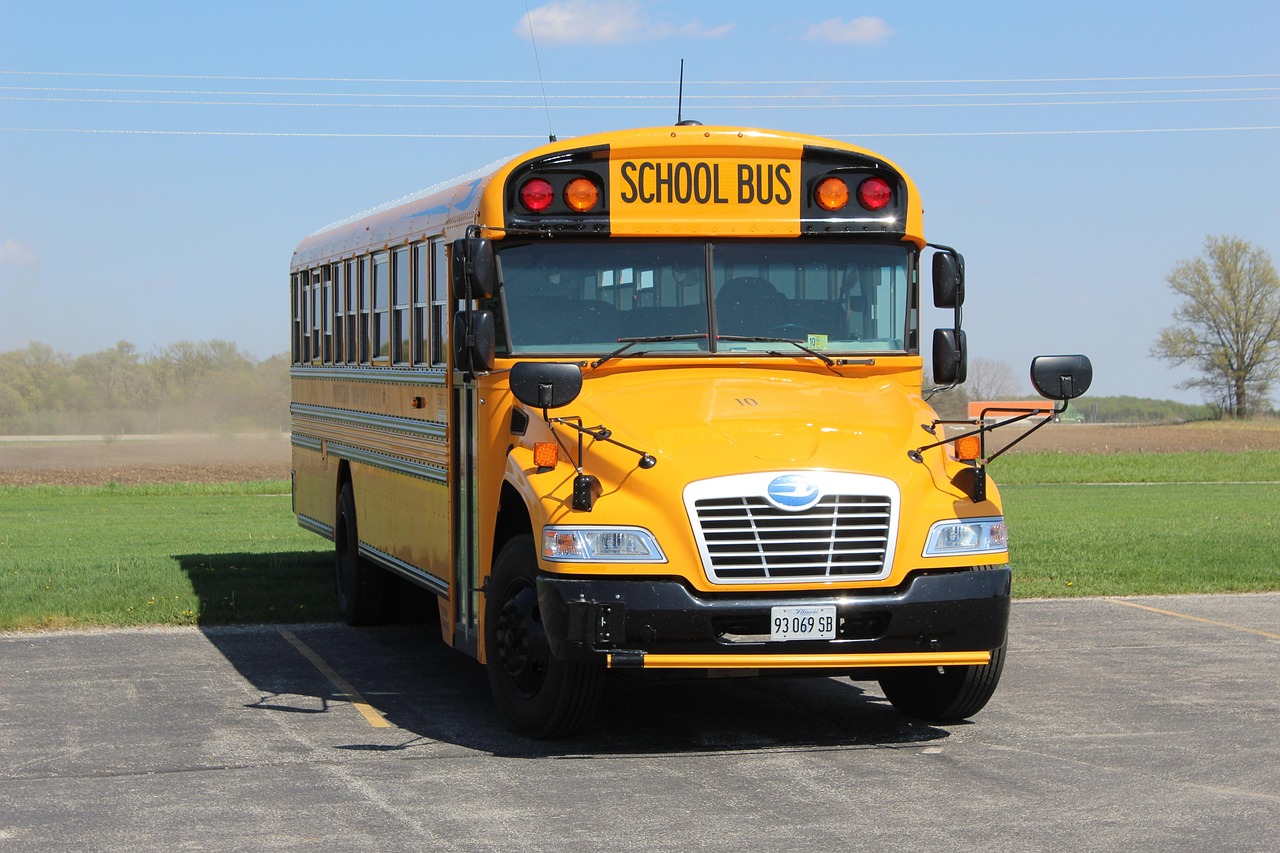
School bus transportation is a critical service that ensures millions of students travel safely to and from school every day. It involves a coordinated effort between school boards, transportation providers, and families to manage routes, schedules, and safety protocols. The most reliable way for children to get to school is often by bus, as it offers a controlled, supervised environment and is proven to be safer than car or pedestrian travel.
Organizations and school districts collaborate with specialized companies to offer consistent and efficient transportation services. These providers prioritize safety through hiring practices, training, and daily procedures, making school buses a trusted choice for student travel. Systems also use technology to update families, like delay notifications and online schedule access.
Understanding how school bus transportation operates helps parents and guardians navigate options and expectations. With many different providers and regulations, the service adapts to community needs while maintaining a strong focus on student well-being and timeliness.
Overview of School Bus Transportation
School bus transportation plays a critical role in safely moving students between their homes and schools. It involves specific vehicles, trained personnel, and coordinated operations designed to maximize safety and efficiency within the education system.
Purpose and Benefits
School bus transportation ensures reliable and safe travel for millions of students daily. It reduces traffic congestion around schools by providing a centralized system instead of individual car trips. Safety is a primary benefit; school buses are statistically safer than traveling by car, walking, or cycling.
Cost efficiency is another advantage for families and school districts. Buses lower overall transportation expenses and reduce the environmental impact by consolidating multiple passengers into one vehicle. Additionally, school bus travel fosters social interaction among students during their commute.
Types of School Buses
School buses vary based on their design and regulatory standards. The traditional yellow large bus is the most common type and is equipped with safety features like flashing lights and stop signs to control traffic during boarding and disembarking.
Smaller variants exist, such as multi-function activity buses (MFABs), which resemble school buses but lack certain traffic warning devices and are restricted in making stops on highways. These serve specialized transportation needs, including extracurricular activities.
Different provinces or districts may operate fleets tailored to their routes, terrain, and student population size, which can include rural and urban service buses.
Key Stakeholders in School Bus Services
Several stakeholders contribute to effective school bus transportation. School districts oversee route planning, safety protocols, and vehicle maintenance. Drivers receive mandatory training and annual refreshers to maintain consistent safety standards.
Parents and students play an important role in adhering to safety guidelines and being aware of the bus environment. Transportation officials and local authorities enforce regulations and coordinate emergency responses. In some regions, private companies manage operations under contractual agreements with school systems.
Collaboration among all parties ensures that school bus transportation remains a dependable element of student mobility.
Safety and Operations
Effective school bus transportation depends on trained drivers, strict adherence to safety regulations, well-planned routes, and rigorous vehicle maintenance. Each element plays a critical role in creating a secure environment for student passengers. Attention to detail in these areas ensures reliability and reduces risks.
Driver Training and Requirements
School bus drivers must complete specialized training that covers vehicle operation, student management, emergency response, and safety procedures. They receive instruction on loading and unloading protocols to prevent accidents during these vulnerable moments. Drivers are also trained in defensive driving techniques and evacuation methods to handle potential hazards.
Licensing requirements typically mandate a commercial driver’s license (CDL) with a school bus endorsement, which involves background checks and medical examinations. Regular refresher courses keep drivers updated on new safety standards and emergency protocols. Drivers often undergo continuous performance evaluations to maintain high safety standards.
Safety Standards and Regulations
School buses adhere to national and provincial safety standards designed to protect passengers. These standards cover bus construction, crashworthiness, and essential safety features such as seat belts, stop-arm cameras, and emergency exits. Compliance with Canadian Motor Vehicle Safety Standards (CMVSS) is mandatory.
Regulations also dictate operational policies, including maximum bus capacity and monitoring systems. School boards and bus companies enforce rules for both drivers and students to ensure safe conduct on and around the bus. Regular audits and inspections by transportation authorities verify compliance.
Route Planning and Scheduling
Route planning prioritizes student safety, minimizing travel time while avoiding hazardous roads. Planners consider factors like road conditions, traffic patterns, and visibility when designing routes. Efficient scheduling coordinates pick-up and drop-off times to prevent delays and reduce time students spend waiting.
Routes undergo periodic reviews to adapt to changes such as construction, new housing developments, or weather conditions. Communication between transportation coordinators, bus drivers, and schools ensures that routes remain effective and safe. Emergency contingency plans are incorporated to handle unexpected route disruptions.
Maintenance and Inspection Protocols
Vehicles receive daily, weekly, and monthly inspections to identify mechanical issues before they become hazards. Maintenance teams focus on brakes, tires, lights, engine systems, and safety equipment functionality. Detailed records track all maintenance activities and repairs.
Inspections comply with regulatory requirements and are often conducted by certified mechanics. Any deficiencies require immediate correction before the bus returns to service. Regular preventive maintenance extends vehicle lifespan and supports consistent safety performance.

