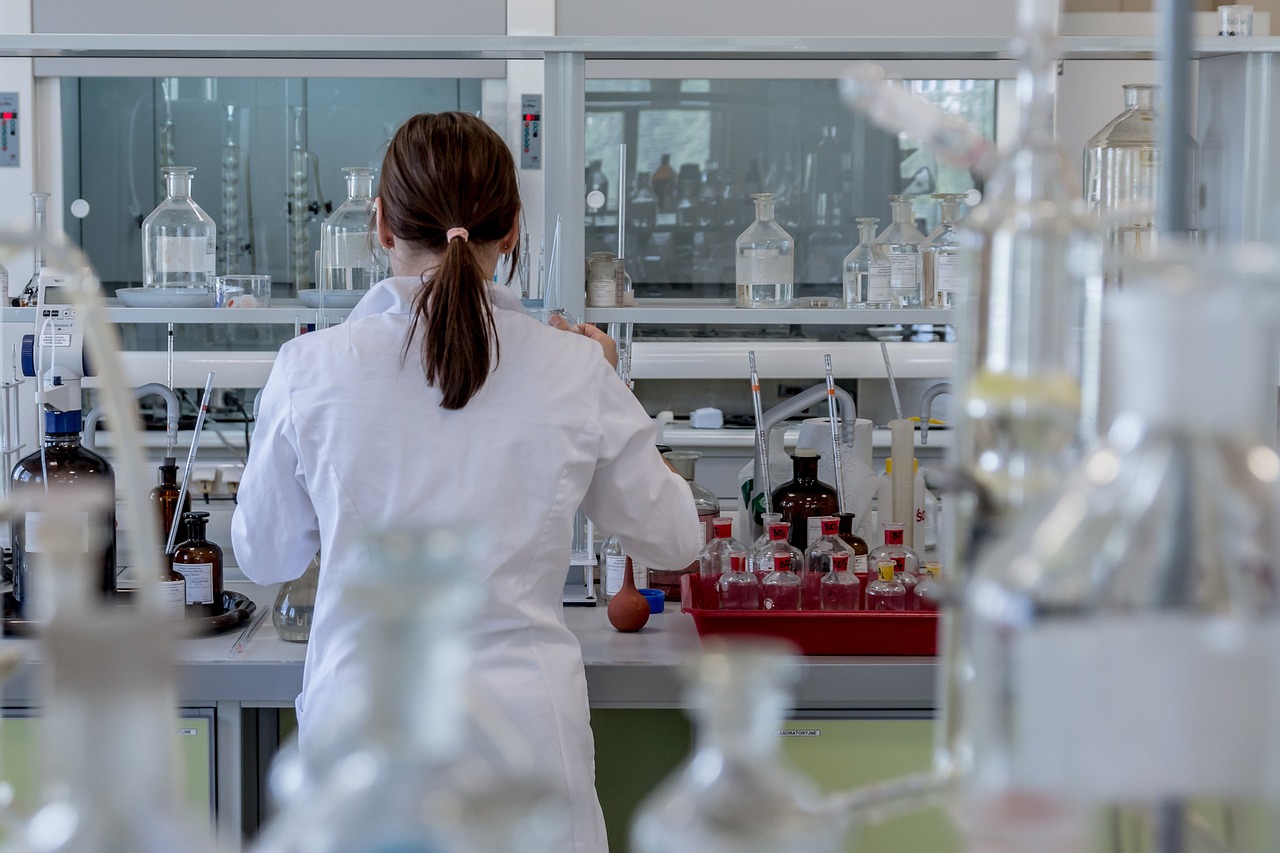
Lab supplies equipment are essential tools that enable accurate experimentation, analysis, and research across various scientific fields. They range from basic consumables like gloves and pipettes to complex instruments such as centrifuges and microscopes. Reliable and well-maintained lab equipment ensures precise results, safety, and efficiency in any scientific environment.
Choosing the right suppliers and products can significantly impact the quality and consistency of laboratory work. Many suppliers offer a comprehensive selection to meet diverse needs, including laboratory consumables, safety apparel, and specialized instruments. Access to trusted lab equipment and supplies supports continued innovation and discovery in research and industry settings.
Types of Lab Supplies and Equipment
Laboratory work depends on reliable tools designed for specific tasks. These range from containers that hold chemicals to devices that measure variables precisely, as well as single-use items necessary for everyday procedures. Understanding each type helps ensure the right tools are used efficiently.
Glassware and Plasticware
Glassware includes beakers, flasks, test tubes, and petri dishes, all commonly made from borosilicate glass to resist heat and chemical corrosion. These items are essential for mixing, heating, and storing liquids safely. Glassware’s transparency allows easy observation of reactions, which is vital in many experiments.
Plasticware, made from materials like polypropylene or polystyrene, offers benefits such as lower cost and resistance to breakage. It is often used for disposable pipettes, centrifuge tubes, and culture plates. Plasticware is also preferred when contamination by substances in glass must be avoided. Choosing between glass and plastic depends on the experiment’s chemical resistance and reusability needs.
Measurement Instruments
Accurate measurement is core to lab reliability. Common instruments include balances, which measure mass with high precision, and pipettes for transferring exact liquid volumes. pH meters determine acidity or alkalinity, critical in biological and chemical assays.
Other devices like spectrophotometers measure light absorption, aiding in concentration analysis. Calibration and maintenance of these instruments ensure consistent results. Selecting the correct tool depends largely on the required precision and type of sample.
Laboratory Consumables
Consumables are single-use or short-term items essential for routine lab operations. This category covers gloves, filter papers, sample containers, and syringes. They safeguard samples from contamination and protect users from hazardous materials.
Proper selection of consumables is critical for experiment integrity and safety protocols. For example, nitrile gloves are preferred for chemical resistance, while certain filters are chosen for specific particle-size exclusion. Stocks should be regularly monitored to avoid shortages that could delay work.
Selecting and Maintaining Laboratory Equipment
Laboratories must choose equipment that fits their specific research or production requirements while ensuring long-term reliability. Maintaining this equipment with scheduled care and handling it safely are essential steps to protect accuracy, safety, and functionality.
Criteria for Choosing Lab Supplies
Selecting lab equipment starts with identifying the exact needs of the lab, such as the type of tests or experiments performed. Consider accuracy, durability, and compatibility with existing systems. Budget constraints are important, but they should not compromise quality.
Vendor reliability and post-purchase support also matter. Choosing suppliers with strong service agreements and clear warranty policies helps reduce downtime. Additionally, researchers should verify that equipment meets industry and safety standards relevant to their field.
Proper Equipment Maintenance
Regular upkeep is critical for consistent operation and measurement accuracy. Maintenance should include scheduled cleaning, calibration, and documentation of all service activities. Calibration keeps instruments aligned with performance specifications, reducing errors.
Using manufacturer-recommended cleaning agents and techniques prevents damage. Promptly addressing wear or malfunction avoids costly repairs and ensures safety. Keeping detailed logs of maintenance activities supports compliance and long-term equipment management.
Safe Handling Practices
Safe handling reduces risks to personnel and prevents equipment damage. Operators must be trained in proper use, transport, and storage procedures specific to each instrument. Using appropriate personal protective equipment (PPE) minimizes exposure to hazards.
Labs should designate clear zones for equipment use and ensure all users follow standard operating procedures. Avoiding rough handling and contamination maintains the equipment’s integrity. Safe handling routines contribute to a safer environment and prolong the equipment’s usable life.

