In a financial institution—whether it is a bank, an insurance company, or a microfinance organization—risk is present everywhere.
If there is a sudden market downturn or fall in asset value,
Who do you think will assess the impact and protect the institution from losses?
If there is a chance that customers may default on loans or delay repayments,
Who do you think is responsible for analyzing creditworthiness and controlling this risk?
If the company wants to launch a new financial product, enter a new market, or make a major investment,
Who do you think will evaluate the potential risks, forecast outcomes, and guide decision-makers?
All of these aspects fall within the domain of financial risk management.
It plays a vital role in helping organizations anticipate threats, protect assets, comply with regulations, and make informed decisions that ensure long-term stability and growth. Without a strong understanding of applied financial risk management, companies will struggle to survive and may even precipitate economic crises.
Today’s volatile market and rapid global progress call for skilled finance professionals who can tackle real-world challenges and navigate through sudden crises. That is why most organizations hire professionals with formal training. Risk management certification in India has seen a surge in applications due to its growing relevance and market demand.
Let’s understand why financial risk management is important in every organization and how it enhances decision-making in modern business.
People and companies face many types of financial risks. In simple words, financial risks are situations that can lead to unexpected or unwanted money-related problems. Financial risk management is the process of identifying risks, analyzing them, and making investment decisions based on analysis—either to modify or mitigate them.
These risks can be quantitative or qualitative risks, and it is the job of a financial risk manager to use various financial instruments and manage these risks. The financial risk management process includes —
Individuals face financial risks in many aspects of their lives. These come in the form —
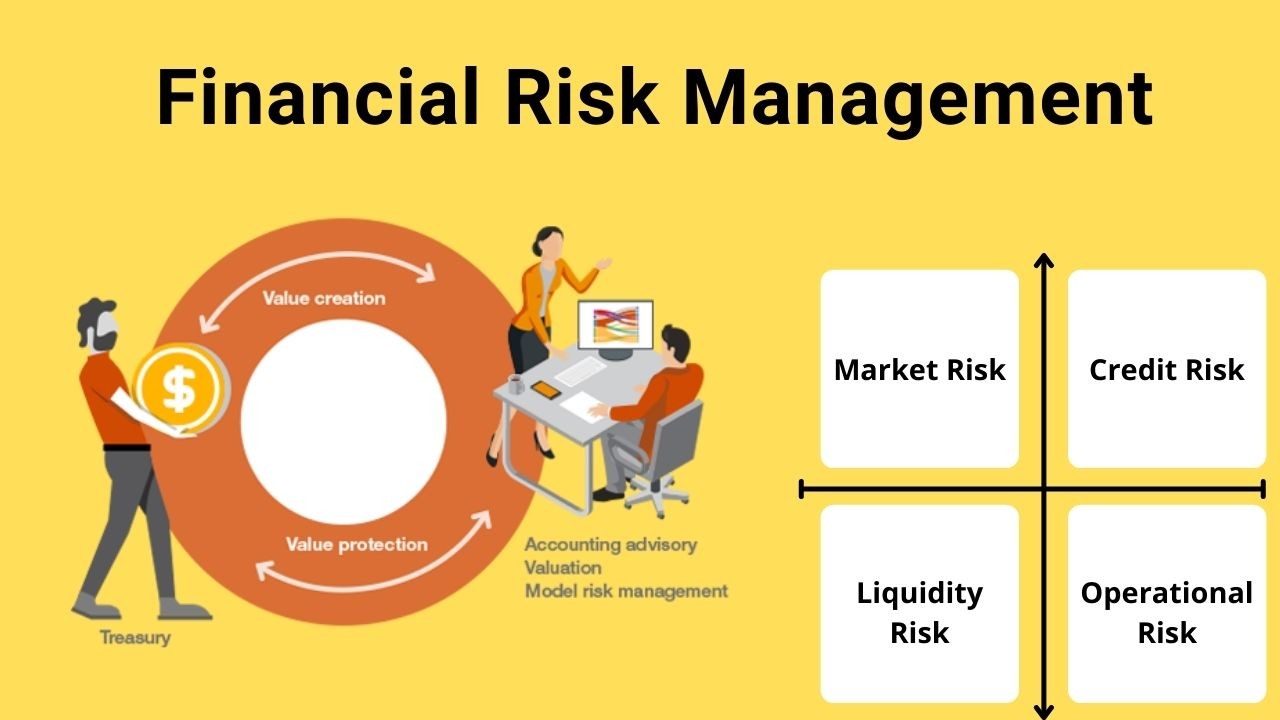
Financial risks are classified into 5 major categories. The types of financial risks in organizations include —
Effectively applied financial risk management can stabilize operations and secure the business’s financial future. However, the role of risk management isn’t just limited to minimizing financial losses; it helps in developing risk management strategies, bringing new insights, and improving financial policies. All these let companies boost their performance and achieve their goals.
The benefits of financial risk management are huge, helping businesses invest in profitable financial projects that would reward them with long-term success.
Let’s understand the key reasons why financial management is important in businesses —
The financial risk management course is becoming very popular among working professionals to advance and upskill their careers. These certification courses help mid- and senior-level financial managers and professionals to become risk specialists, boost credibility, attract career growth opportunities, and prepare for leadership roles.
Do you know? According to the Global Association of Risk Professionals (GARP) 2024 Risk Careers Survey, 73% of survey respondents anticipate opportunities in risk management will increase over the next 18 months.
Also, 54% of survey respondents expect their firms to increase staffing across the risk team over the next 18 months.
This clearly shows that the demand for financial risk management job roles is growing in the market. Today, organizations prefer to hire certified financial risk managers who can address real-world financial risks more effectively and identify better opportunities. Thus, earning certification in a financial risk management course from top-tier B-schools is becoming increasingly important across industries.
More professionals are choosing such online certification courses in applied financial risk management. These courses are career-defining; they prepare them for leadership roles, help them tap into new career opportunities, upskill them to higher salaries, and build strong portfolios.
However, you might wonder,
Is FRM (Financial Risk Management) a good career option? What does a certification in FRM mean to you?
It improves your job profiles, making you eligible for specialized risk management roles. It is good for career transition —for example –
Finance Executive to Risk Analyst
Credit Analyst to Credit Risk Manager
Internal Auditor to Operational Risk Manager
Equity Research Analyst to Market Risk Analyst
It prepares you for leadership and C-suite roles, including Chief Risk Officer (CRO), Chief Financial Officer (CFO), Risk Advisory Partner (Consulting Firms), and Chief Audit Executive.
It boosts your earning potential. The average FRM salary in India ranges between 9-12 lakhs per annum; however, the annual salary ranges from Rs. 18 LPA to Rs. 33 LPA if you are a certified risk management professional.
A risk management certification in India gives you the flexibility to work in diverse industries and geographies—especially valued in global banks, investment firms, and multinational companies.
If you are an experienced financial professional seeking the best risk management certification in India, then IIM Kashipur’s AFRM (applied financial risk management) program could be the best choice to upgrade your skills, gain industry-ready expertise, and accelerate your career in modern financial risk roles.
Applied financial risk management analysis helps organizations understand their numbers better so they can make smarter decisions. By studying financial data and spotting possible risks, companies can make informed choices about investments, day-to-day operations, and long-term plans.
Here are the types of decision-making for assessing financial risk—
But how are these decisions implemented in practical financial risk management situations? Let’s understand the practical steps to implement financial decisions in organizations.
Today, every organization needs an effective financial risk management team. As the business environment has become increasingly complex and dynamic, organizations face a range of financial risks that can affect their stability, reputation, profitability, and long-term success. To stay competitive and relevant in the job market, most professionals choose to pursue a financial risk management course to accelerate their careers and move into high-growth roles.
If you are a mid-career finance professional looking to upskill yourself, then IIM Kashipur’s certification program in applied financial risk management is the course for you. The course is designed specifically for working professionals seeking to specialize in risk management and remain industry-ready. Enrol in the program and take the next step in your career growth.

