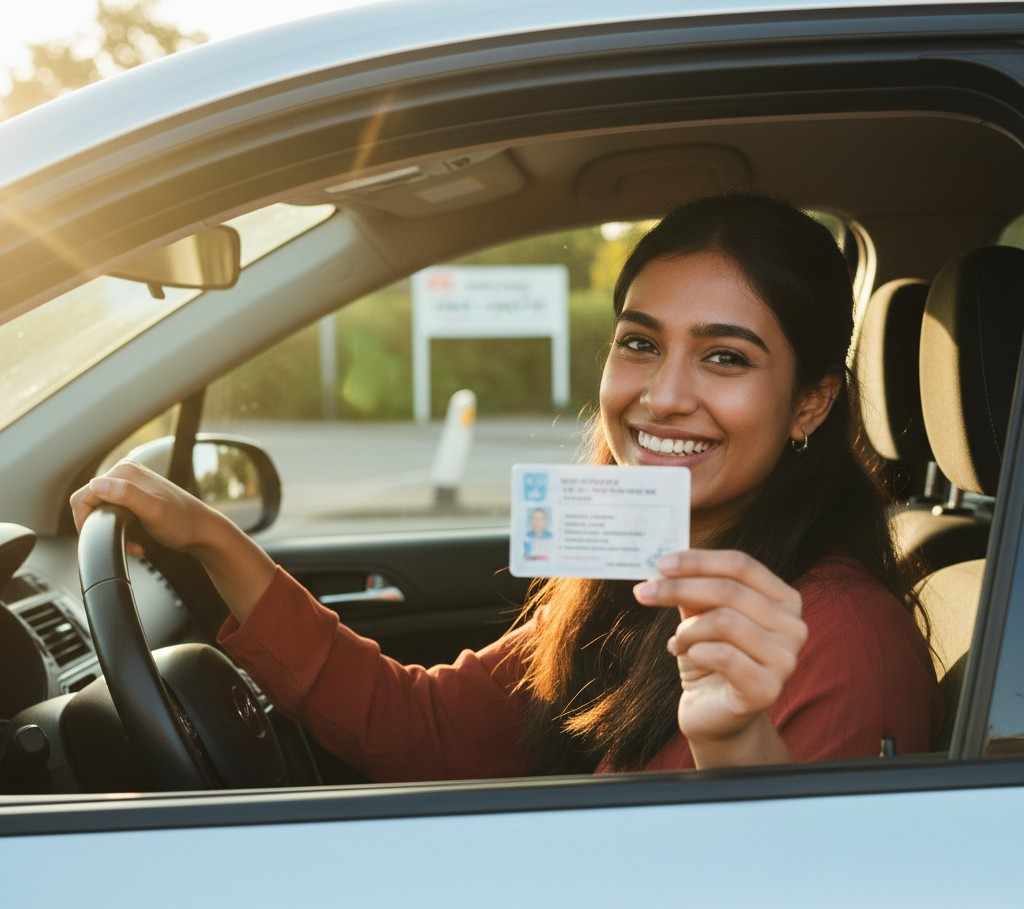
Preparing for a driving test often triggers anxiety, uncertainty, and mental pressure for learners. Fear of making mistakes, unfamiliar test formats, and time pressure can quickly affect confidence levels. While traditional revision methods remain useful, digital solutions now offer structured, accessible, and stress-reducing support. Driving test practice apps help learners gain clarity, consistency, and mental readiness before test day. By providing guided learning, realistic test simulations, and progress tracking, these tools support calmer preparation routines. This article explains how driving test practice apps play a crucial role in easing learner stress, improving emotional control, and building confidence well before the practical or theory test begins.
Learner stress does not usually appear overnight. It develops gradually during preparation due to uncertainty, pressure, and fear of failure. Understanding these stress triggers helps explain why digital practice tools are effective.
Several factors contribute to increased stress during driving test preparation:
These challenges often intensify as the test date approaches, particularly when learners feel unprepared or unsupported.

Stress affects both concentration and decision-making. Nervous learners may rush answers, miss hazards, or misinterpret questions. Mental overload can reduce reaction time and lead to avoidable errors. When preparation lacks structure, anxiety replaces focus. A well-designed app for driving test preparation addresses this by providing predictable routines, clear feedback, and steady progress tracking, helping learners feel more in control of their readiness.
Structure is one of the most effective tools for reducing stress. Driving test practice apps organise learning into manageable, clearly defined stages, preventing overwhelm.
Practice apps break down the syllabus into logical sections, allowing learners to move forward gradually. Instead of facing everything at once, learners complete small, achievable tasks.
Typical structured features include:
This clarity reduces confusion and prevents last-minute panic.
When learners follow a consistent routine, their confidence grows naturally. Repeating familiar question formats and scenarios helps learners feel prepared rather than surprised. Predictability reduces uncertainty, which is a major contributor to test anxiety.
A reliable practice structure reassures learners that they are covering everything required, eliminating the fear of missing important topics.
Unfamiliarity often fuels anxiety. Driving test practice apps reduce stress by making learners comfortable with the test environment before the actual exam.
Practice apps replicate official test formats closely. Learners experience similar timing, scoring systems, and question styles, reducing fear of the unknown.
Benefits of simulated testing include:
Repeated exposure helps learners approach the real test with confidence rather than apprehension.
Unlike real tests, apps allow learners to make mistakes without consequences. Errors become learning opportunities instead of sources of embarrassment or fear. This lowers emotional pressure and encourages persistence.
Over time, learners associate mistakes with improvement rather than failure, creating a healthier mindset toward assessment.
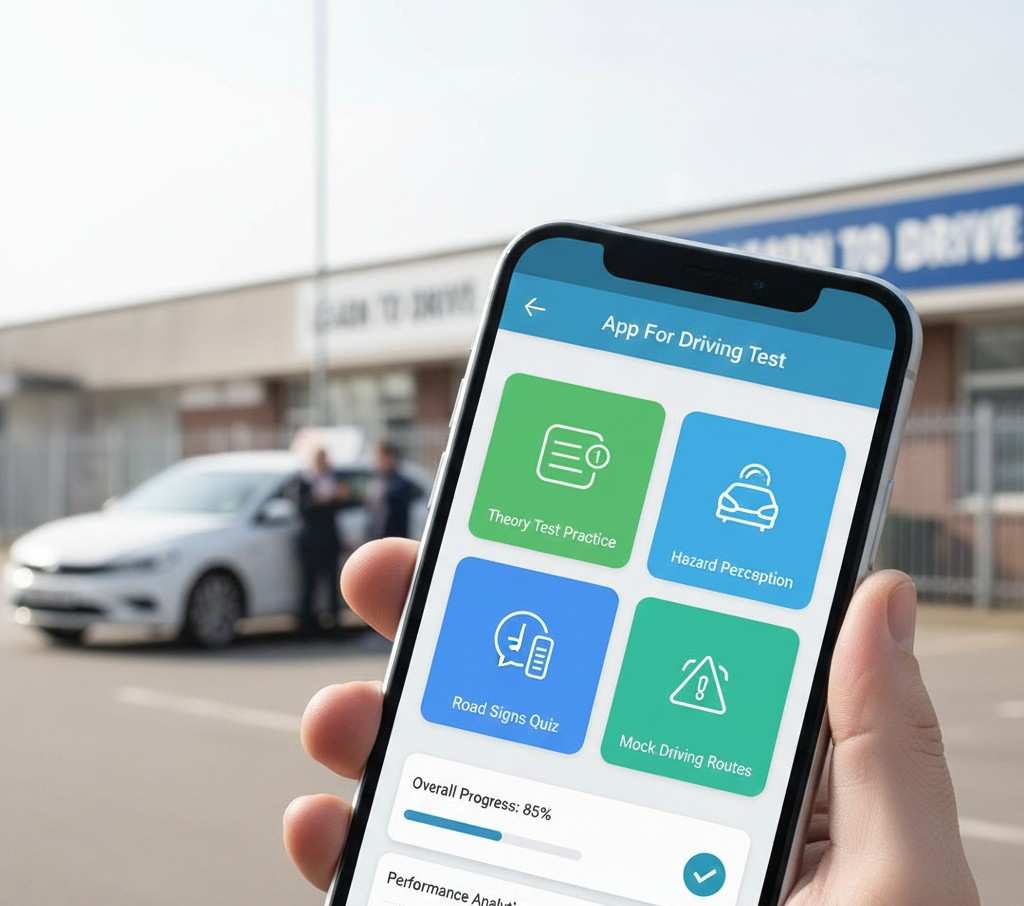
Personalisation plays a major role in stress reduction. When learners understand their strengths and weaknesses, uncertainty decreases.
Driving test practice apps analyse performance and highlight specific areas requiring attention. This prevents learners from wasting time revising topics they already understand.
Common feedback tools include:
Clear insights replace guesswork, allowing learners to focus calmly and efficiently.
Stress management is not only about knowledge but also emotional stability. Driving test practice apps support mental readiness through controlled exposure and self-paced learning.
Unlike classroom sessions or fixed lessons, apps allow learners to practise when they feel most comfortable. Removing time pressure reduces frustration and mental fatigue.
Advantages of self-paced preparation include:
Learners feel in control of their preparation rather than overwhelmed by deadlines.
Repeated practice trains learners to respond calmly and logically. Familiar question types and hazard clips help learners pause, assess, and act without panic.
Over time, these habits transfer naturally into the real test environment, supporting steadier reactions and clearer thinking.
Driving test preparation does not need to be stressful or overwhelming. With structured learning, familiar formats, personalised feedback, and flexible routines, digital practice tools help learners approach their tests with calm confidence. Anxiety often stems from uncertainty, and driving test practice apps replace that uncertainty with clarity and control. By supporting both technical knowledge and emotional readiness, these tools prepare learners for success beyond memorisation alone. When used consistently, a trusted App for Driving Test can transform preparation into a focused, confidence-building process. App for Driving Test continues to support learners seeking a calmer, more confident route towards test readiness.