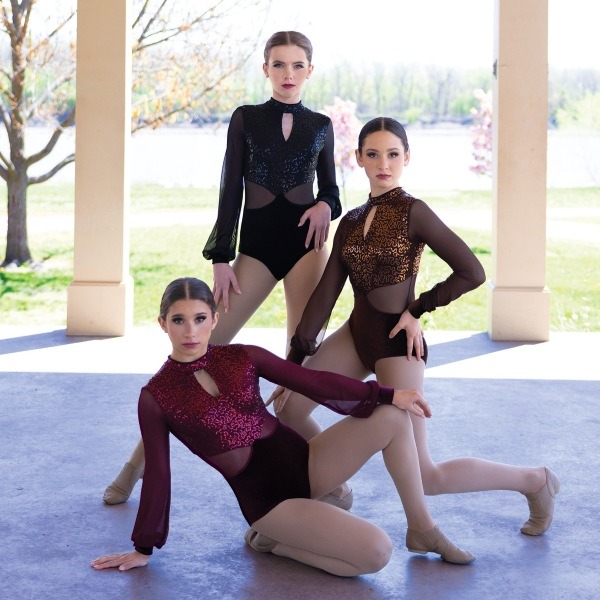
Dance is more than movement—it is a powerful form of storytelling. While rhythm, technique, and emotion shape a performance, dance costumes play an equally important role in bringing the story to life. From traditional cultural attire to modern performance wear, dance costumes enhance expression, define character, and create a visual impact that captivates audiences.
In this blog, we explore the importance of dance costumes, their evolution, different styles across dance forms, materials used, and how the right costume can elevate a performance from good to unforgettable.
Dance costumes are not just outfits; they are an extension of the dancer’s body and emotion. A well-designed costume complements movement, highlights posture, and helps convey the theme of the dance.
Key roles of dance costumes include:
Enhancing visual appeal on stage
Supporting freedom of movement
Reflecting the mood, culture, or era of the dance
Helping dancers connect emotionally with their role
Without appropriate dance costumes, even the most technically perfect performance may feel incomplete.
Historically, dance costumes were deeply influenced by culture, religion, and social traditions. Classical dance forms used heavy fabrics, intricate embroidery, and symbolic colors. Over time, costumes evolved to accommodate new dance styles and performance needs.
Modern dance costumes are designed with:
Lightweight materials
Flexible fits
Breathable fabrics
Innovative cuts and designs
This evolution ensures dancers can perform complex movements comfortably while still looking visually striking.
Each dance style has its own identity, and dance costumes help define that uniqueness.
Classical dance costumes are rooted in tradition and symbolism. They often feature rich colors, detailed patterns, and accessories that represent mythology, culture, and storytelling. These costumes maintain authenticity while highlighting precise movements.
Contemporary styles favor minimalistic and expressive dance costumes. Neutral colors, asymmetrical designs, and flowy fabrics are common, allowing dancers to emphasize emotion and fluidity rather than ornamentation.
Hip-hop dance costumes are bold, relaxed, and street-inspired. Oversized fits, graphic designs, and layered looks reflect the energy and attitude of the dance style while allowing high-energy movement.
Folk dance costumes showcase regional identity. Each costume tells a story through its fabric, colors, patterns, and accessories, making them an essential element of cultural preservation.
Jazz and fusion dance costumes are glamorous and dynamic. Sequins, fringe, bold colors, and modern silhouettes enhance fast movements and stage presence.
Choosing the right fabric is crucial for comfort and performance. Common materials used in dance costumes include:
Cotton blends for breathability
Spandex and lycra for flexibility and stretch
Chiffon and georgette for flow and elegance
Velvet and satin for richness and stage impact
The fabric must balance durability, comfort, and visual appeal, especially under bright stage lights.
Dance costumes are carefully designed to move with the dancer. The right cut, fabric weight, and fit ensure movements look graceful rather than restricted.
Well-designed dance costumes:
Highlight body lines and posture
Flow naturally with spins and jumps
Prevent distractions caused by discomfort
Build dancer confidence on stage
When dancers feel comfortable in their costumes, their performance becomes more expressive and confident.
Both custom and ready-made dance costumes have their advantages.
Custom costumes are tailored to the dancer’s measurements and performance theme. They are ideal for competitions, stage shows, and professional performances where uniqueness matters.
Ready-made options are cost-effective and convenient. They work well for practice sessions, group performances, and beginners.
Choosing between the two depends on budget, purpose, and performance level.
Colors play a powerful role in dance costumes. Each shade conveys emotion and mood:
Red represents passion and energy
Blue reflects calmness and grace
Black symbolizes strength and elegance
White conveys purity and simplicity
Gold and silver add a touch of luxury and drama
Selecting the right color enhances storytelling and leaves a lasting impression on the audience.
Proper maintenance ensures dance costumes remain beautiful and durable.
Care tips include:
Hand washing delicate fabrics
Storing costumes flat or hung properly
Avoiding harsh detergents
Repairing small damages promptly
Well-maintained costumes not only last longer but also look professional on stage.
The future of dance costumes is driven by innovation. Designers are experimenting with sustainable fabrics, digital prints, and smart textiles that respond to movement and light.
Upcoming trends include:
Eco-friendly costume materials
Minimalist yet expressive designs
Customizable modular costumes
Technology-enhanced stage wear
These advancements will continue to redefine how dance costumes support creativity and performance.
Dance costumes are an essential part of every performance, blending fashion, function, and storytelling into a single visual language. Whether traditional or modern, simple or elaborate, the right dance costume transforms movement into art.
By choosing thoughtfully designed dance costumes that suit the style, theme, and dancer’s comfort, performers can elevate their presence on stage and create unforgettable experiences for their audience. In the world of dance, costumes are not just worn—they are felt, lived, and remembered.

