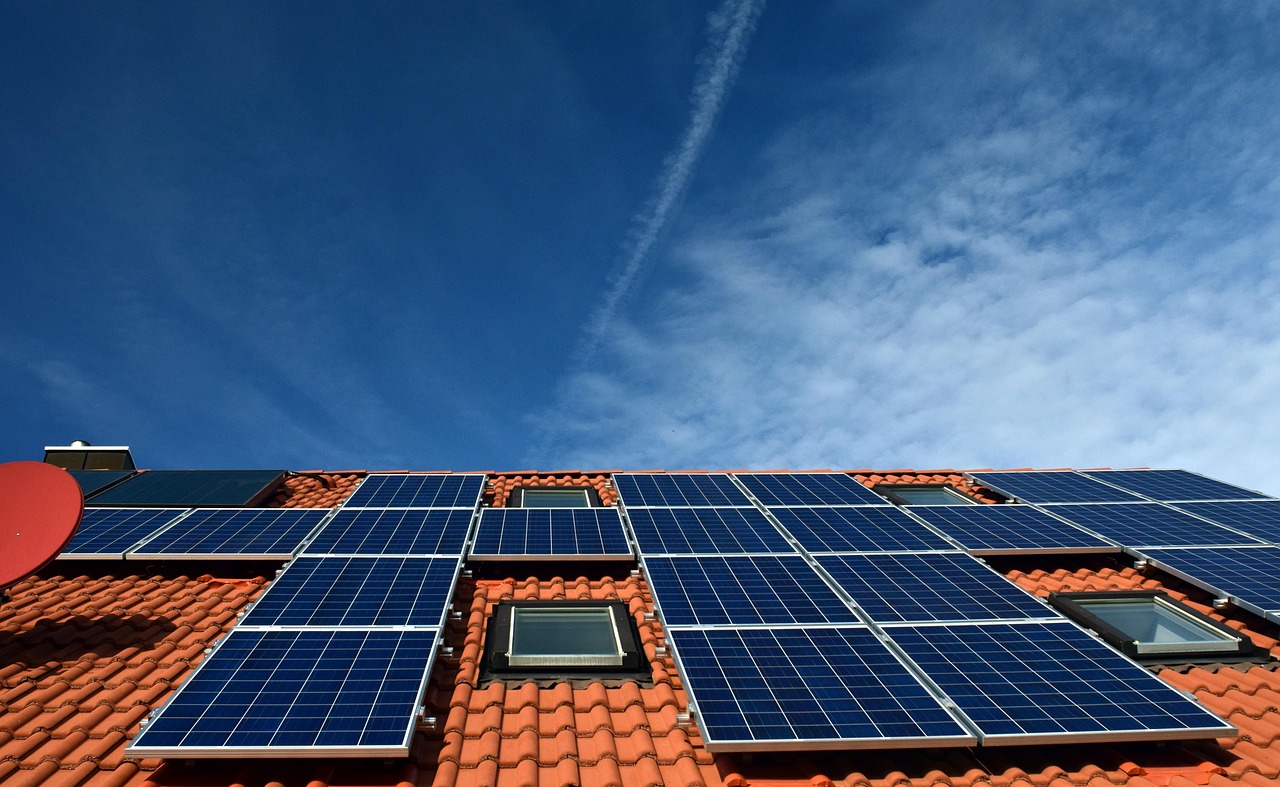
Building integrated solar refers to solar power technologies that are directly incorporated into a building’s structure, such as roofs, facades, windows, and railings. This approach turns parts of a building into active energy generators while maintaining architectural aesthetics. It differs from traditional solar panels by merging energy production with functional building materials.
By embedding solar cells within construction elements, building-integrated photovoltaics (BIPV) offer a dual purpose: generating electricity and serving as part of the building’s skin. This integration can reduce installation costs and improve energy efficiency by replacing conventional materials.
As interest in sustainable and renewable energy grows, building-integrated solar is becoming a practical solution for urban environments where space is limited. Understanding how these systems work and their benefits provides insight into the future of energy-conscious architecture.
Overview of Building Integrated Solar
Build integrated solar systems combine energy generation with architectural elements, serving both structural and functional roles. These systems offer versatile applications, evolving technology options, and distinct advantages over traditional solar installations. Market adoption continues to grow, driven by energy efficiency and design integration demands.
Definition and Key Concepts
Building Integrated Solar, often known as Building-Integrated Photovoltaics (BIPV), refers to solar power systems that are directly incorporated into building elements. Unlike traditional solar panels, BIPV replaces or becomes part of surfaces such as roofs, facades, windows, or skylights. It serves a dual purpose: generating electricity while acting as a building envelope component.
Key concepts include the seamless integration of solar cells with materials like glass or roofing tiles, which can reduce material costs by substituting conventional building materials. Additionally, the energy produced is consumed onsite, minimizing transmission losses and enhancing overall energy efficiency. The visual and architectural appeal is important, as these systems can maintain or improve a building’s aesthetic.
Common BIPV Technologies
The most common BIPV technologies include thin-film solar cells, bifacial solar cells, and semi-transparent solar modules. Thin-film cells are prized for their flexibility and lightweight characteristics, making them suitable for curved or non-traditional surfaces.
Bifacial solar cells capture sunlight on both sides, improving energy yield, especially when integrated into reflective surfaces or open facades. Semi-transparent solar modules offer light transmission while producing electricity, enabling their use in windows or glass facades without obstructing views.
Frameless and translucent modules are often used to blend with modern building designs. These technologies are engineered to replace conventional materials such as roof tiles or window glass, maintaining both structural integrity and aesthetics.
Comparison Between BIPV and Traditional Solar
BIPV systems differ from traditional solar panels in form, function, and integration. Traditional panels are mounted onto existing structures, often appearing as add-ons that can affect visual appeal. In contrast, BIPV is part of the building design, invisible or complementary to the architecture.
Energy efficiency gains in BIPV come from on-site generation and reduced transmission losses. Traditional panels require separate mounting systems and sometimes infrastructural modifications. Cost-wise, BIPV can have higher upfront expenses due to integration demands but may reduce material and labor costs by replacing building components.
Additionally, BIPV can improve insulation and weather protection, contributing to the building’s overall performance beyond electricity generation.
Market Trends and Growth
The BIPV market has experienced steady growth driven by urban development and green building initiatives. Increasing demand for sustainable architecture and government incentives worldwide fuel investments in BIPV technologies.
Advances in solar cell efficiency, design customization, and regulatory support are making BIPV more accessible. Europe, North America, and parts of Asia lead adoption, especially in commercial and high-rise projects.
Manufacturers are focusing on scalable production and multi-functional materials to reduce costs and broaden applications. As buildings become smarter and more energy-conscious, BIPV is positioned as a key component of future urban energy solutions.
Applications and Design Considerations
Building-integrated solar systems are designed to serve dual functions, often replacing traditional construction materials while generating electricity. This integration requires balancing aesthetics, energy production, and structural demands to optimize performance and usability.
Integration in Residential Buildings
In residential settings, building-integrated photovoltaics (BIPV) commonly replace roofing materials, skylights, or facade elements. These systems provide a seamless look by blending into the architectural style, which appeals to homeowners who prioritize appearance alongside energy generation.
Key considerations include roof orientation, shading from surrounding trees or buildings, and local climate. Proper placement maximizes solar exposure, improving efficiency. Integration with the building’s electrical system demands careful wiring and inverter sizing to ensure safety and optimal energy use.
Homeowners may benefit from reduced utility costs and increased property value. However, upfront investment and potential maintenance complexity require clear planning and informed decision-making.
Integration in Commercial and Industrial Projects
Commercial and industrial buildings offer large surface areas ideal for BIPV installations, including facades, rooftop canopies, and curtain walls. These projects often emphasize greater energy output combined with corporate sustainability goals.
Structural support is critical, especially for heavy or glass-based solar modules. Designers must assess load capacity and thermal expansion to avoid building envelope damage. Electrical integration often involves complex systems to handle higher power outputs and comply with grid codes.
Energy savings directly affect operational costs, and in some cases, excess power can be sold back to the grid. Compliance with building codes and coordination with facility management are essential for successful implementation.
Architectural and Engineering Challenges
Integrating solar components into buildings introduces several architectural and engineering challenges. The chosen materials must meet durability, water-tightness, and fire-resistance standards without compromising solar efficiency.
Thermal management also plays a role; photovoltaic modules can generate heat that affects both system performance and occupant comfort. Designers must incorporate ventilation or cooling solutions, particularly for facade-integrated systems.
Structural considerations include the weight of solar modules and potential impacts on wind and seismic loads. Collaborative planning between architects, engineers, and contractors is necessary to resolve these complexities early in the design phase.
Regulatory and Certification Standards
BIPV systems must adhere to local, national, and international regulations covering electrical safety, structural integrity, and energy efficiency. Certification standards vary depending on the region and system type.
Important certifications include UL listing for electrical components, fire safety approvals, and building code compliance. Some projects may also pursue green building certifications such as LEED or BREEAM, which reward the use of integrated renewable energy technologies.
Navigating these standards requires coordination with regulatory bodies and experienced professionals to ensure the system meets all necessary legal and safety requirements.

