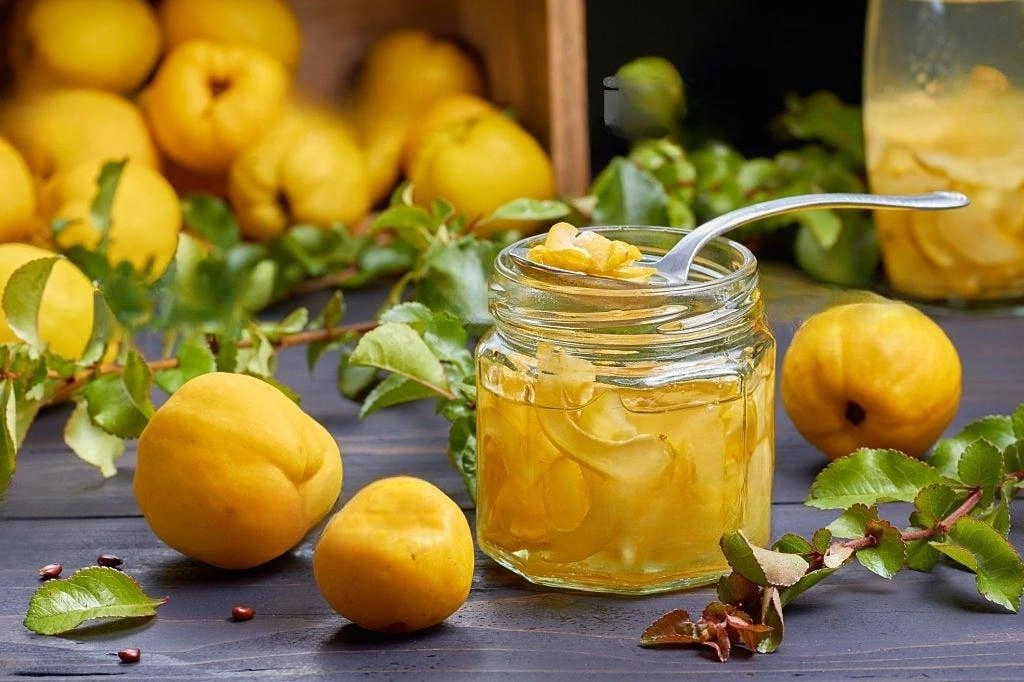
Quince murabba holds a special place in Pakistani kitchens, especially during winter when traditional remedies and homemade preserves become part of daily life. Known locally as bahi, quince is valued not only for its unique aroma and taste but also for its health-supporting qualities. In this blog post, we will explore what quince murabba is, why it is so popular in Pakistan, how it is prepared, its benefits, and market insights related to bahi fruit price in pakistan, all while keeping local preferences and culture in focus.
Bahi fruit has been used in South Asian households for generations. In Pakistan, it is commonly consumed in the form of murabba, jam, or syrup during colder months. Elders often recommend quince murabba for strengthening digestion and improving overall vitality.
Unlike many modern preserves, quince murabba is deeply connected to tradition. Families prepare it at home using age-old recipes passed down through generations. Its presence on breakfast tables with paratha or roti is a familiar sight in many Pakistani homes.
In Urdu, quince is called bahi, while in Punjabi-speaking areas it is sometimes referred to as bahi dana. Across Punjab, Khyber Pakhtunkhwa, and parts of Balochistan, quince trees are grown on a small scale, mainly for local consumption rather than large commercial farming.
Quince murabba is a sweet preserve made by slowly cooking sliced or cubed quince fruit in sugar syrup until it becomes translucent and aromatic. Unlike regular jams, murabba keeps the fruit pieces whole, giving it a rich texture and a luxurious feel.
Quince murabba has a mildly sweet flavor with floral notes. When cooked, the fruit turns soft but remains slightly chewy, making it enjoyable to eat on its own or with bread. The syrup thickens over time, enhancing both taste and shelf life.
Murabba focuses on preserving the shape of the fruit, while jam involves crushing or pulping. In Pakistani tradition, murabba is often considered more nutritious and premium, especially when prepared at home.
Quince murabba is not just a sweet treat; it is also valued for its traditional health benefits. Many of these benefits are recognized in Unani and herbal practices.
Bahi fruit is known to be gentle on the stomach. Consuming quince murabba in small quantities may help with digestion, bloating, and acidity, especially during heavy winter meals.
During winter, quince murabba is often consumed to support immunity. The fruit naturally contains vitamins and antioxidants, while the slow-cooking process helps retain some beneficial properties.
Because murabba is made with sugar syrup, it provides quick energy. In Pakistani households, it is commonly served to elders and those recovering from weakness.
Preparing quince murabba at home is a rewarding process, though it requires patience.
Fresh, firm quince with a strong aroma is preferred. Locally sourced bahi from seasonal markets is ideal, as it ensures better flavor and texture.
After washing and peeling, quince is sliced and soaked briefly to prevent discoloration. The fruit is then cooked slowly in sugar syrup, sometimes with cloves or cardamom, until it turns golden or light reddish in color.
Once cooled, murabba is stored in airtight glass jars. When prepared correctly, it can last several months without refrigeration, making it a practical preserve for Pakistani households.
Bahi fruit is usually available in Pakistan from late autumn to early winter. During this time, markets see increased demand from households preparing murabba and herbal remedies.
Weather conditions, transportation costs, and regional production all influence how easily quince can be found. In urban areas, it is often sold in select fruit markets rather than every roadside stall.
Discussion around bahi fruit price in pakistan often arises during murabba season. Prices can vary based on quality, size, and city. Larger cities may have slightly higher rates due to transportation and middlemen, while producing regions may offer more affordable options. Seasonal demand also plays a major role, with prices generally increasing when murabba-making peaks.
Choosing the right fruit ensures better murabba quality and value for money.
Look for fruit that is firm, free from bruises, and has a natural fragrance. Avoid overly soft quince, as it may not hold shape during cooking.
Local fruit mandis, sabzi markets, and trusted vendors are usually better options than supermarkets. In some cities, organic or herbal shops also stock quince during the season.
Apart from homemade versions, quince murabba is also available from local brands and herbal stores.
Homemade murabba is often preferred for its purity and customizable sweetness. Store-bought options, however, are convenient and have a longer shelf life due to standardized preparation.
Commercial murabba prices depend on brand reputation, packaging quality, and ingredient sourcing. While convenient, many consumers still prefer making it at home to manage sweetness and cost.
Quince murabba is more than just a sweet preserve in Pakistan; it is a symbol of tradition, seasonal wellness, and family heritage. From its careful preparation to its valued place on winter breakfast tables, bahi murabba continues to be cherished across generations. Awareness of factors like quality, seasonality, and bahi fruit price in pakistan helps consumers make informed choices, whether they prefer preparing it at home or buying it ready-made. As long as traditional food culture remains alive, quince murabba will continue to hold its respected place in Pakistani households.

