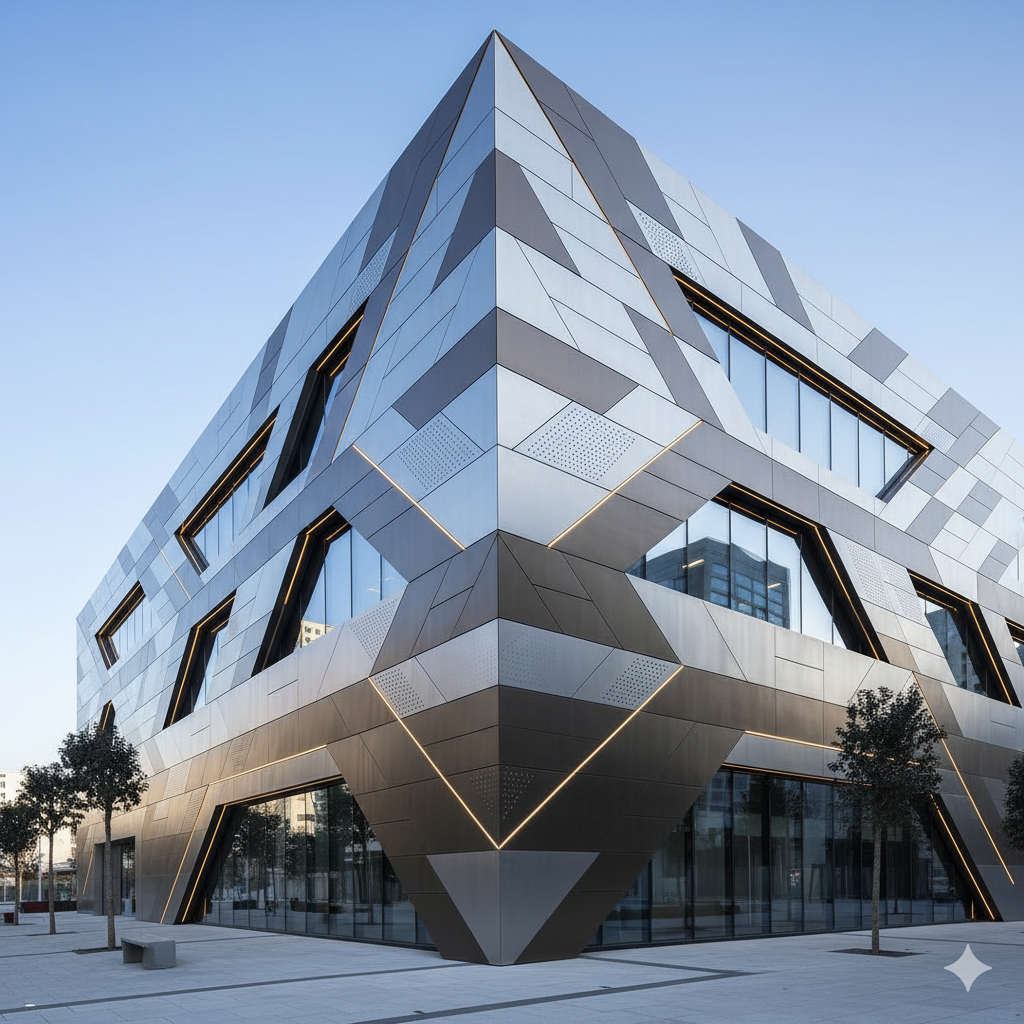
An aluminum composite panel (ACP) is a versatile building material made of two thin aluminum sheets bonded to a non-metallic core. It combines lightweight construction with strength and durability, making it suitable for both interior and exterior applications. This unique structure also provides weather resistance and design flexibility, which appeals to architects and builders alike.
ACP is widely used in modern construction for cladding, signage, and decorative facades due to its ease of installation and low maintenance. Its ability to be coated in various colors and finishes enables creative and functional architectural designs. As a result, aluminum composite panels have become a popular choice for projects ranging from commercial buildings to residential complexes.
What Is an Aluminum Composite Panel?
An aluminum composite panel (ACP) consists of multiple layers designed to balance strength, durability, and lightweight properties. It features a core material sandwiched between two thin aluminum sheets, combining the benefits of metal rigidity with flexibility and ease of installation. These panels are widely used for both functional and aesthetic purposes in construction and design.
Key Features and Benefits
An ACP typically comprises two aluminum sheets bonded to a non-metallic core, often made from polyethylene or mineral fillers. This structure makes the panel lightweight yet strong and stable.
Its surface is smooth and can be finished with paint, anodizing, or printing, allowing for a wide range of architectural styles. ACPs also resist weather, corrosion, and UV damage, which extends their lifespan in outdoor applications.
Additionally, the materials used enable easy fabrication and installation, reducing construction time and costs. The panels offer sound insulation and thermal resistance, contributing to energy efficiency in buildings.
Common Applications
Aluminum composite panels are favored for exterior cladding on commercial and residential buildings due to their durability and attractive finish. They provide a sleek, modern look while protecting structures from environmental factors.
Inside buildings, ACPs are used for interior walls, ceilings, and partitioning because of their lightweight and versatility. They are also common in signage, providing a flat, printable surface for clear graphics and branding.
The panels are found in transportation, such as train exteriors, owing to their strength and low weight. Their use in renovation projects is frequent since they can be applied over existing surfaces without extensive demolition.
Types of Aluminum Composite Panels
There are two main types of ACPs, based on the core material: polyethylene core and fire-resistant mineral core.
Polyethylene core ACPs are lightweight and cost-effective but have limited fire resistance. They suit applications where fire codes are less strict.
Fire-resistant ACPs feature a mineral-filled core that meets higher safety standards. These panels are used in public buildings and high-rise construction where fire performance is critical.
Panels also vary by thickness and finish. Thickness commonly ranges from 3mm to 6mm, influencing rigidity and insulation properties. The aluminum surfaces can be coated with PVDF (polyvinylidene fluoride) or PE (polyester), each affecting durability and color retention.
Installation and Maintenance
Proper installation and regular upkeep are essential for aluminum composite panels (ACP) to perform effectively. The installation process requires precise tools and techniques, while maintenance involves routine cleaning and inspections to preserve the panels’ durability and appearance.
Installation Methods
Aluminum composite panels are typically installed using a concealed fastening system or a visible mechanical fixing system. The concealed method involves attaching panels to a subframe with brackets and clips, ensuring a smooth, uninterrupted surface. This method improves aesthetics and weather resistance.
Preparation is crucial: panels must be cut using proper tools to avoid damage, and the supporting structure must be level and secure. Weatherproofing measures like applying sealants and gaskets prevent water infiltration. Installers often use rivets, screws, or adhesive bonding depending on the project requirements.
Attention to alignment and consistent spacing between panels helps avoid structural stress and enhances thermal expansion management. Following manufacturer specifications for fasteners and panel handling ensures long-term stability.
Maintenance Best Practices
Routine cleaning is necessary to maintain ACP panels’ visual appeal. Use mild detergents and soft cloths or sponges to remove dirt, grime, and pollutants. Avoid abrasive materials or harsh chemicals that can damage the panel surface or protective coatings.
Scheduled inspections should focus on checking sealants, joints, and fasteners for signs of wear or loosening. Early detection of damage or corrosion allows timely repairs, preventing more extensive issues.
In climates with variable weather, it is important to verify that water drainage and flashing remain effective. Reapplication of sealants every few years is recommended to uphold weather resistance and prevent moisture intrusion.
Safety Considerations
Installation and maintenance of aluminum composite panels require adherence to safety protocols. Workers must wear protective equipment, including gloves, safety glasses, and helmets, to protect against sharp edges and falling debris.
Handling panels carefully is vital to avoid injury and panel damage. Panels can be heavy and unwieldy, so team lifting or mechanical aids should be used.
When cutting or drilling panels, dust and metal fragments pose respiratory hazards. Use dust extraction systems and respirators where necessary. Proper scaffolding or fall protection should be employed during installation on building exteriors to prevent accidents.

