A healthy smile plays an important role in daily life. It helps you chew food properly, speak clearly, and feel confident when talking or smiling. When a tooth becomes damaged, weak, or goes missing, dental treatments can restore both function and appearance. Many people feel confused when choosing between different dental solutions because the terms can sound similar.
Dental treatments today are designed to be comfortable, long-lasting, and natural-looking. Among the most commonly recommended options are bridge and crowns, which are used to repair or replace damaged teeth in different ways. Understanding how they work can help you feel more confident when discussing treatment with your dentist.
This article explains the key differences between dental bridges and dental crowns in a very simple way. By the end, you will know what each treatment does, when it is used, and how to decide which option may be suitable for your dental needs.
A dental crown is like a protective cap that is placed over a damaged or weak tooth. It completely covers the visible part of the tooth above the gum line. The main goal of a crown is to restore the shape, size, strength, and appearance of the tooth.
Crowns are custom-made to fit your tooth perfectly. Once placed, they look and feel very similar to natural teeth.
Dental crowns are often recommended in the following situations:
A tooth is cracked or broken
A tooth is badly worn down
A tooth has a large filling and not much natural tooth left
A tooth has undergone root canal treatment
A tooth is discolored or poorly shaped
A dental implant needs a visible tooth covering
Crowns help protect weak teeth from further damage and allow you to bite and chew normally again.
There are several types of dental crowns, and the choice depends on your needs and budget.
These crowns look very natural and match the color of your teeth. They are often used for front teeth because of their aesthetic appeal.
Metal crowns are very strong and long-lasting. They are usually placed on back teeth where chewing pressure is high.
These crowns combine strength and appearance. They have a metal base with a porcelain outer layer.
Zirconia crowns are strong, durable, and natural-looking. They are commonly used for both front and back teeth.
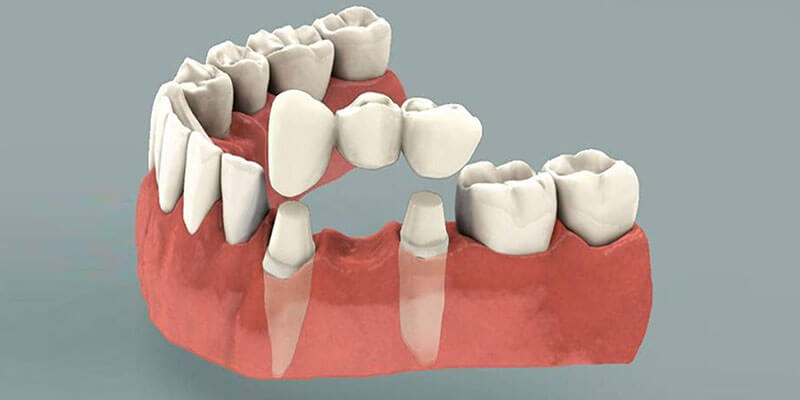
A dental bridge is used to replace one or more missing teeth. As the name suggests, it “bridges” the gap created by missing teeth. A bridge is supported by the natural teeth or dental implants on either side of the gap.
A dental bridge usually consists of:
Abutment teeth: The teeth on either side of the missing tooth
Pontic: The false tooth that fills the gap
Once placed, a dental bridge restores your smile and helps maintain proper chewing and speaking.
Dental bridges are recommended when:
One or more teeth are missing
You want a fixed option instead of removable dentures
The surrounding teeth are healthy enough to support the bridge
You want to prevent nearby teeth from shifting
Missing teeth can cause several problems if left untreated, including bite issues, jaw pain, and changes in facial shape. Dental bridges help prevent these complications.
There are different types of dental bridges, depending on how they are supported.
This is the most common type. It uses crowns on the teeth on both sides of the missing tooth to hold the bridge in place.
This type is used when there is only one supporting tooth next to the missing tooth.
This bridge uses a metal or ceramic framework bonded to the back of nearby teeth. It is often used for front teeth.
This bridge is supported by dental implants instead of natural teeth. It is a strong and long-lasting option.
Although dental bridges and crowns are often discussed together, they serve different purposes. Below are the main differences explained simply.
Dental Crown: Covers and protects a damaged tooth
Dental Bridge: Replaces one or more missing teeth
Crown: Works on a single tooth
Bridge: Involves multiple teeth, including support teeth
Crown: Requires shaping only the affected tooth
Bridge: Requires shaping the teeth on either side of the gap
Crown: Used when the tooth is still present but damaged
Bridge: Used when a tooth is completely missing
Both crowns and bridges can last many years with proper care, usually 10 to 15 years or more.
Dental crowns offer several benefits, including:
Protect weak or damaged teeth
Restore natural appearance
Improve chewing and speaking
Prevent further tooth damage
Long-lasting and durable
Crowns are a great solution when you want to save and strengthen a natural tooth.
Dental bridges also provide many advantages, such as:
Restore missing teeth quickly
Improve bite and chewing function
Prevent teeth from shifting
Enhance smile appearance
Fixed solution with no removal required
Bridges are often preferred by patients who want a stable and permanent-looking replacement for missing teeth.
Both treatments are generally comfortable. Dentists use local anesthesia during the procedure, so you should not feel pain. After treatment, you may experience mild sensitivity or soreness, which usually goes away within a few days.
Most patients return to normal activities quickly after receiving crowns or bridges.
The lifespan of dental crowns and bridges depends on several factors:
Oral hygiene habits
Diet
Teeth grinding or clenching
Regular dental check-ups
With good care, crowns and bridges can last many years. Brushing twice daily, flossing, and visiting your dentist regularly help extend their life.
The cost of treatment varies depending on materials used, complexity, and location. Generally:
A dental crown costs less because it treats only one tooth
A dental bridge may cost more due to multiple components
Your dentist will explain the best option based on your dental condition and budget.
The right treatment depends on your specific dental issue.
Choose a dental crown if:
Your tooth is damaged but still present
You want to strengthen and protect the tooth
Choose a dental bridge if:
One or more teeth are missing
You want a fixed replacement option
A professional dental examination is essential to decide the best solution.
Good oral care keeps your dental restorations in excellent condition.
Brush twice daily with fluoride toothpaste
Floss daily, especially around bridges
Avoid chewing hard objects like ice
Visit your dentist for regular check-ups
Proper care helps prevent decay and gum disease around crowns and bridges.
Modern crowns and bridges are designed to look very natural and blend with your teeth.
They only need regular brushing and flossing, just like natural teeth.
People of all ages may need crowns or bridges due to injury, decay, or other dental issues.
Understanding the difference between best dental bridges and crowns can make dental decisions much easier. Both treatments are effective, safe, and widely used to restore smiles and improve oral health. The best choice depends on whether you need to protect an existing tooth or replace a missing one.
If you are unsure which treatment is right for you, a professional consultation can provide clarity and peace of mind. At the conclusion of your dental care journey, DentisTree Dental Clinic focuses on providing personalized solutions that restore comfort, confidence, and long-term oral health.

