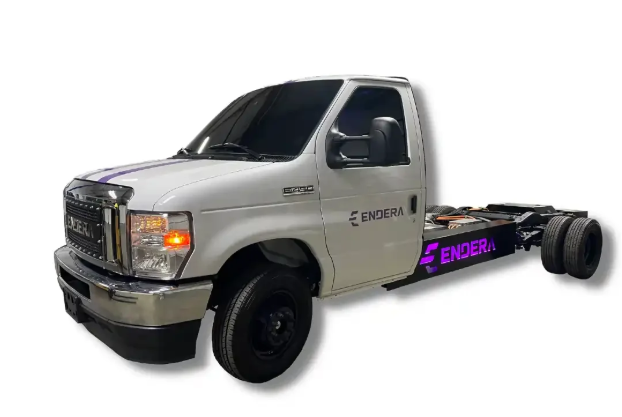
Electric vehicles (EVs) have transformed the automotive industry, offering cleaner, quieter, and more efficient alternatives to traditional fuel-powered cars. At the heart of this transformation lies the electric powertrain, the system that replaces the internal combustion engine and redefines how vehicles generate and use power.
An electric powertrain is the central system that propels an EV using electrical energy instead of fossil fuels. It includes several key components that work together to deliver smooth and efficient motion:
Together, these components provide EVs with instant acceleration, reduced emissions, and simpler maintenance compared to conventional vehicles.
When you press the accelerator, the vehicle’s control unit directs power from the battery to the motor through the inverter. The motor then spins the wheels, propelling the vehicle forward. During braking, the regenerative braking system recaptures kinetic energy and sends it back to the battery, extending driving range and improving efficiency.
This seamless energy cycle enables EVs to offer instant torque, smooth performance, and quiet operation — all while reducing the vehicle’s carbon footprint.
BEVs run entirely on electric power. They don’t have fuel tanks or tailpipes, producing zero emissions and requiring charging instead of refueling.
HEVs combine an internal combustion engine with an electric motor. The vehicle automatically switches between both power sources or uses them simultaneously to maximize efficiency.
PHEVs function similarly to HEVs but include larger batteries that can be recharged from an external source. They allow short-distance driving in electric-only mode before the gas engine activates.
FCEVs generate electricity using hydrogen fuel cells, emitting only water vapor. Though still in development for mainstream adoption, they represent one of the cleanest mobility options available.
Electric vehicle powertrains convert more than 85% of electrical energy into motion, compared to around 30% for internal combustion engines.
With fewer moving parts, EVs require less frequent servicing — no oil changes, spark plug replacements, or exhaust system repairs.
Electric powertrains eliminate tailpipe emissions, reducing air pollution and greenhouse gases significantly.
Drivers experience near-instant acceleration thanks to the electric motor’s ability to deliver maximum torque from a standstill.
EVs produce minimal noise and vibration, offering a more refined and peaceful driving experience.
Despite their many benefits, electric powertrains still face challenges such as limited charging infrastructure, high battery costs, and concerns over raw material sourcing. However, rapid innovation is addressing these issues:
These advancements are making electric mobility more accessible and practical for everyday use.
The powertrain electric vehicle represents far more than a technological shift — it’s a cornerstone of the global transition toward sustainable transportation. As battery technology improves and charging networks expand, electric vehicles will continue to grow in range, affordability, and performance.
In the near future, the evolution of electric powertrains will not only redefine how we drive but also how we think about energy consumption, environmental responsibility, and the future of mobility. The quiet hum of an EV on the road isn’t just progress — it’s the sound of the next automotive revolution.

