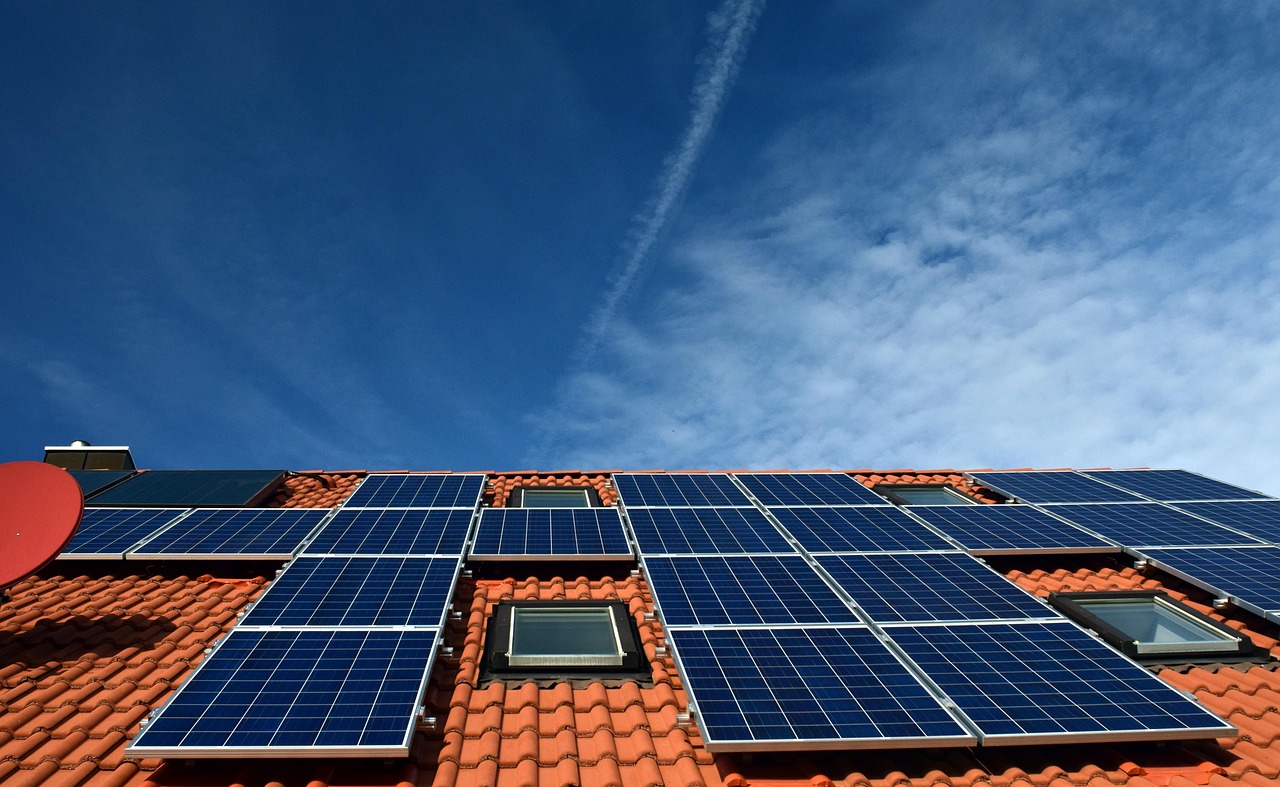
Building integrated photovoltaics BIPV are solar technologies designed to become a functional part of a building’s envelope, such as roofs, façades, or windows. Unlike traditional solar panels mounted separately, BIPV materials replace conventional building components while generating electricity. This dual purpose allows BIPV systems to both power buildings and serve structural or aesthetic roles.
By merging renewable energy production with construction materials, BIPV offers a way to make buildings more energy-efficient without sacrificing design. It can reduce overall energy demand and help meet sustainability goals by turning architectural surfaces into clean energy sources.
As energy demands rise and carbon reduction becomes urgent, BIPV represents a practical solution that integrates technology seamlessly into urban environments. Its growing adoption reflects advances in photovoltaic materials and innovative design approaches.
Fundamentals of Building Integrated Photovoltaics (BIPV)
Building Integrated Photovoltaics involves integrating solar energy-producing elements directly into the building structure, replacing conventional materials. It combines energy generation with architectural functions through specific system designs and materials.
Definition and Core Principles
BIPV refers to solar photovoltaic systems that are embedded into the building envelope, such as roofs, facades, or windows. These systems function both as building materials and as electricity generators, eliminating the need for separate solar panels. This dual purpose reduces material redundancy and overall construction costs.
The core principle is seamless integration, where BIPV products contribute to the building’s aesthetics, insulation, and weather protection while converting sunlight into electrical energy. BIPV must meet both structural and electrical performance standards, ensuring durability and safety as part of the building fabric.
Types of BIPV Systems
BIPV systems vary primarily by their placement and form factor within the building envelope:
Technologies used include crystalline silicon solar cells and thin-film solar cells like amorphous silicon, CdTe, and CIGS. Each type accommodates different design requirements, shading tolerance, and energy production capabilities.
Key Components and Materials
The main components of a BIPV system include photovoltaic cells, encapsulants, glass or polymer covers, and mounting frames that double as structural elements.
Common materials consist of:
| Component | Material/Technology | Function |
| Solar Cells | Crystalline silicon, thin films | Convert sunlight to electricity |
| Encapsulants | EVA (ethylene vinyl acetate) | Protect cells from moisture |
| Covers | Tempered glass, polymers | Provide weather resistance |
| Structural Parts | Aluminum or steel mounting frames | Support and integrate modules |
These materials must ensure long-term performance under environmental stresses while maintaining architectural flexibility.
Design, Benefits, and Applications
Building-integrated photovoltaics (BIPV) merge renewable energy technologies directly with architectural elements, creating multifunctional building components. They improve energy efficiency while offering design flexibility and environmental benefits that appeal to modern building projects with sustainability goals.
Integration into Building Architecture
BIPV systems replace or are embedded into traditional building materials such as roofs, façades, windows, or canopies. This integration makes them part of the building envelope rather than external add-ons.
Designers must balance photovoltaic efficiency with architectural requirements, ensuring the system fits structurally and visually. BIPV modules come in various forms: opaque panels for walls, semi-transparent units for windows, and flexible thin-film options adaptable to unconventional shapes.
These systems streamline construction by combining energy generation with thermal insulation, weather protection, or daylight control. This multi-functionality reduces material redundancy and can simplify installation timelines.
Energy Efficiency and Performance
BIPV directly contributes to on-site energy generation, reducing reliance on grid electricity. They harness solar energy to supply part of a building’s power demand for lighting, HVAC, or appliances.
Performance depends on factors like module type, orientation, shading, and climate. Emerging technologies such as bifacial and semi-transparent solar cells enhance energy capture while maintaining architectural integration.
Some BIPV systems also improve thermal regulation by providing shading and reducing heat transfer. This indirectly lowers cooling loads, supporting overall building energy optimization.
Aesthetic and Environmental Advantages
BIPV offers architects flexibility to design visually appealing façades and roofs without compromising function. Materials can come in diverse colors, textures, and transparencies that align with building style.
Environmentally, BIPV reduces carbon footprints by generating clean energy onsite and decreasing construction material use. By replacing conventional cladding with photovoltaic elements, it minimizes additional environmental impact.
It also supports urban sustainability goals by promoting decentralized energy production, lowering transmission losses, and enhancing building resilience against power disruptions.
Common Use Cases in Modern Construction
BIPV appears in commercial buildings, residential complexes, and public infrastructure where visual integration and sustainability are priorities. Large-scale façades with integrated solar panels are common in office towers.
Residential applications utilize rooftop or skylight BIPV to support household energy needs and achieve green building certifications. Retrofitting older buildings with BIPV is gaining traction as a way to improve energy performance without altering architectural identity.
In public facilities such as schools or transport hubs, BIPV serves dual roles in energy savings and architectural statement, balancing function with urban design requirements.

