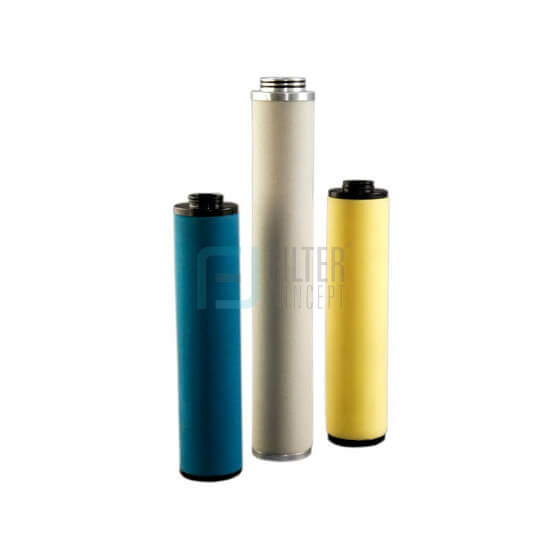
Compressed air plays a vital role in modern industries, powering machines, tools, and automated processes across manufacturing, pharmaceuticals, food processing, automotive, electronics, and more. While compressors generate the air, it is the Compressed Air Filter that ensures this air is clean, dry, and safe for use. Without proper filtration, compressed air systems can become a major source of contamination, equipment failure, and production loss.
This blog explores what a compressed air filter is, why it is essential, how it works, the different types available, and how choosing the right filter can significantly improve efficiency and product quality.
A Compressed Air Filter is a device installed within a compressed air system to remove contaminants such as dust, oil particles, moisture, microorganisms, and other impurities. These contaminants naturally enter the air during compression or are generated within the system itself due to wear, heat, and condensation.
Even atmospheric air contains pollutants. When air is compressed, these impurities become concentrated, making filtration critical before the air reaches sensitive equipment or end-use applications.
Many industries underestimate the importance of clean compressed air. However, unfiltered air can cause serious issues, including:
Damage to pneumatic tools and machinery
Corrosion of pipelines and valves
Poor product quality
Increased maintenance and downtime
Safety and hygiene risks in regulated industries
A high-quality compressed air filter protects both the system and the final application, ensuring consistent performance and long-term reliability.
Understanding what needs to be removed helps explain the importance of filtration. Typical contaminants include:
Dust, rust, scale, and dirt particles can enter the system from the intake air or internal corrosion.
Compressed air naturally produces water vapor, which condenses into liquid as air cools. This moisture can damage equipment and promote bacterial growth.
Oil-lubricated compressors release oil mist and vapors into the air stream, which can contaminate products and surfaces.
Bacteria, mold, and spores thrive in warm, moist compressed air systems if not properly filtered.
A compressed air filter works by forcing air through a filtration element that captures contaminants based on size, type, and density. Most filters operate using a combination of:
Mechanical separation for large particles
Coalescing action to merge fine oil and water droplets
Absorption or adsorption for oil vapors and odors
As air flows through the filter housing, contaminants are trapped, and clean air continues downstream to the application.
Different applications require different levels of air purity. Below are the most common types of compressed air filters used in industrial systems:
These remove solid particles such as dust, rust, and scale. They are typically the first stage of filtration and protect downstream equipment.
Coalescing filters are designed to remove fine oil aerosols and water droplets. They are essential in systems where oil-free air is required.
These filters remove oil vapors, odors, and hydrocarbons using activated carbon media. They are commonly used in food, beverage, pharmaceutical, and electronics industries.
High-efficiency compressed air filters remove ultra-fine particles and microorganisms, ensuring extremely clean air for sensitive applications.
Installing the right compressed air filter offers numerous advantages across industries:
Clean air reduces wear and tear on pneumatic components, extending their lifespan.
Filtered air prevents contamination of finished products, especially in precision manufacturing and hygiene-sensitive environments.
Less contamination means fewer breakdowns, repairs, and system failures.
Clean systems operate with less pressure drop, reducing compressor energy consumption.
Many industries must meet air quality standards. Proper filtration helps achieve compliance effortlessly.
Selecting the correct compressed air filter depends on several factors:
Determine how clean the air needs to be based on your application.
Filters must handle the required airflow without causing excessive pressure loss.
Identify whether your system contains oil, moisture, solids, or all three.
Some industries require specific ISO air quality classes.
Consulting with an air system expert ensures the filter matches both operational and regulatory needs.
Even the best compressed air filter requires regular maintenance to perform effectively. Over time, filter elements become saturated with contaminants, increasing pressure drop and reducing efficiency.
Monitor pressure differential across the filter
Drain condensate regularly
Replace filter elements as recommended by the manufacturer
Inspect housings for leaks or corrosion
Proper maintenance ensures consistent air quality and avoids unnecessary energy waste.
Compressed air filters are used across a wide range of industries, including:
Manufacturing and automation
Food and beverage processing
Pharmaceuticals and healthcare
Electronics and semiconductor production
Automotive and aerospace
Textile and packaging industries
In each of these sectors, clean air directly impacts safety, quality, and productivity.
Sustainability is becoming a priority in industrial operations. A well-maintained compressed air filter contributes to sustainability by:
Reducing energy consumption
Minimizing air leaks and pressure losses
Lowering equipment replacement frequency
Preventing waste caused by contaminated products
By improving system efficiency, compressed air filtration supports both environmental and economic goals.
A Compressed Air Filter may seem like a small component in a complex system, but its impact is enormous. From protecting machinery to ensuring product quality and regulatory compliance, compressed air filtration is essential for modern industrial operations.
Investing in the right compressed air filter, maintaining it properly, and understanding its role in your system can result in smoother operations, lower costs, and higher efficiency. Whether you operate a small workshop or a large manufacturing facility, clean compressed air is not a luxury—it is a necessity.

