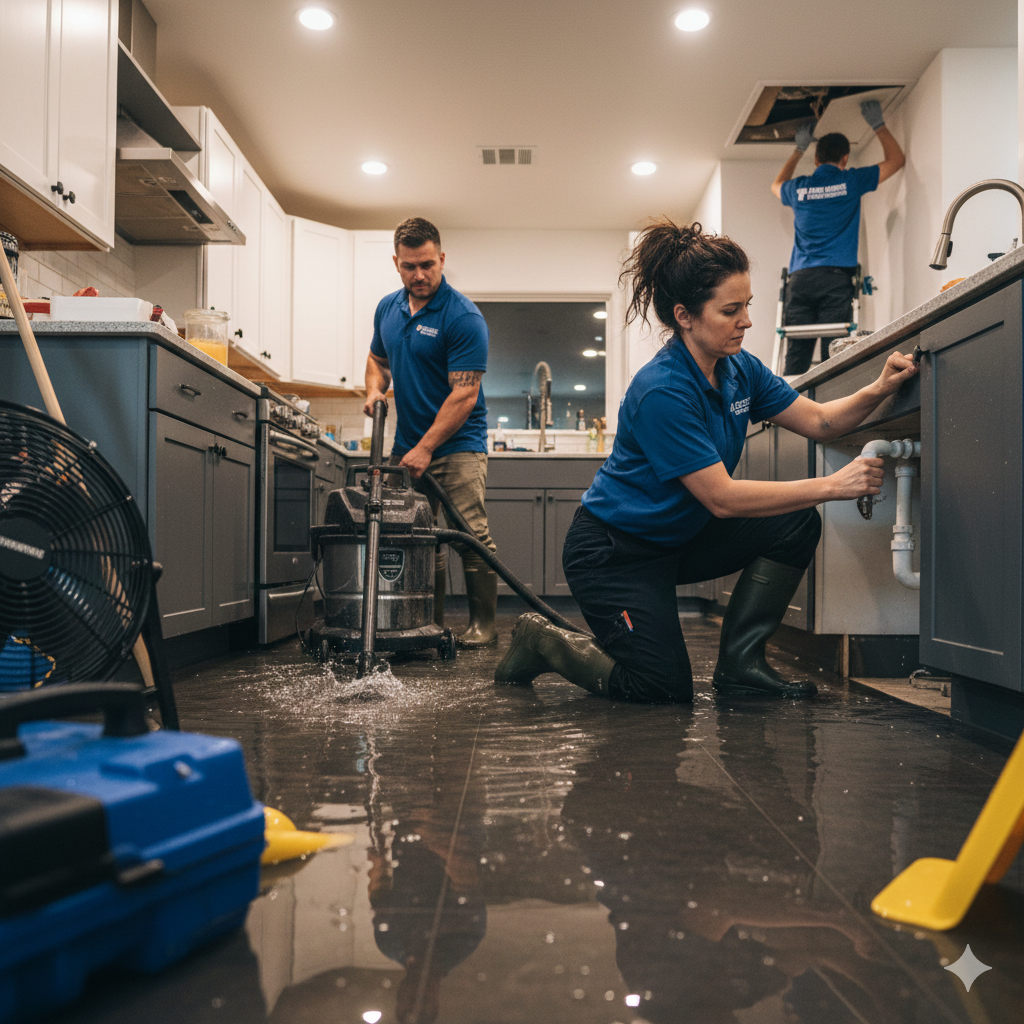
A flooded basesment requires immediate and careful attention to prevent further damage and health risks. The cleanup process involves removing standing water, drying the area thoroughly, sanitizing surfaces, and addressing any structural or electrical concerns that may arise. Effective cleanup reduces mold growth, minimizes damage, and restores the basement safely.
Ignoring a flooded basement can lead to serious issues such as compromised foundation integrity and increased mold and mildew, which pose health hazards. Proper tools and techniques must be used, often combined with professional services, to ensure the space is fully repaired and protected against future flooding.
Acting quickly and following a methodical approach is key to restoring a flooded basement. This includes safety measures, water extraction, drying, and possibly repairs, all of which help maintain the home’s value and livability during flood recovery.
Flooded Basement Cleanup Process
A flooded basement cleanup requires careful attention to safety, efficient water removal, and thorough drying to prevent long-term damage. Each step targets specific issues such as health risks, water presence, and moisture control to protect the home’s structure.
Initial Safety Precautions
Before beginning cleanup, it is critical to ensure the area is safe. If the basement’s electricity is still on, power should be shut off at the circuit breaker to avoid electrocution risks. Standing water may contain contaminants, so wearing protective gear like rubber boots, gloves, and masks minimizes health hazards.
Checking for structural damage is vital; any cracks or shifts in walls and floors should be noted. Ventilation helps reduce exposure to mold spores and airborne chemicals. If sewage or chemical flooding occurred, professionals should be contacted immediately, as these require specialized handling.
Water Extraction Methods
Removing standing water quickly is essential to prevent worsening damage. Homeowners can use equipment such as sump pumps and wet/dry vacuums for small floods. For larger volumes, professional-grade water extractors or pumps are more effective and faster.
Extraction should be done systematically, starting with the deepest water pools and working outward. It is important to remove water from carpet padding, wood floors, and porous materials to reduce mold growth. Prompt removal within 24 to 48 hours decreases the risk of long-term structural issues.
Drying and Dehumidification
Once the water is gone, the focus shifts to drying the basement. Industrial fans and dehumidifiers accelerate moisture removal from walls, floors, and furniture. Monitoring humidity levels ensures the area reaches safe dryness levels, typically below 60% relative humidity.
Proper airflow can be achieved by opening windows or using vent fans if weather permits. Moisture meters help detect hidden dampness inside walls or under flooring. Fully drying the basement can take several days, depending on the severity of flooding and weather conditions.
Preventing Future Basement Flooding
Effective prevention requires addressing both structural defenses and regular upkeep. Homeowners should focus on improving basement resilience through waterproofing methods and consistent maintenance to reduce the risks of water intrusion.
Basement Waterproofing Solutions
Waterproofing can significantly reduce basement flooding risks. Key methods include installing interior or exterior drainage systems to redirect water away from the foundation. Exterior waterproofing involves applying sealants or membranes to the outer walls, blocking moisture before it reaches the basement.
Interior solutions often use sump pumps that remove water after it enters. These pumps are especially useful in areas with a high water table. Additionally, foundation crack repairs using hydraulic cement or epoxy injections prevent leaks.
Other protective measures include installing vapor barriers on walls and floors. These barriers limit moisture seepage and mold growth. Investing in professional waterproofing provides long-term protection and can reduce costly repairs.
Routine Maintenance Tips
Regular maintenance is essential to prevent water buildup. Homeowners should ensure gutters, downspouts, and eavestroughs are clear of leaves and debris. This helps direct rainwater at least 3-4 feet away from the foundation.
Sealing any cracks or gaps in the foundation walls and around windows stops water from entering. It’s important to inspect these areas seasonally, especially before heavy rains or snowmelt.
Maintaining proper yard grading is also crucial. The ground should slope away from the house, ideally dropping 6 inches for the first 10 feet. This prevents pooling near the foundation that can lead to seepage.
Finally, testing sump pumps regularly ensures they operate properly when needed. Backup power sources can keep pumps running during outages, reducing flood risks.

