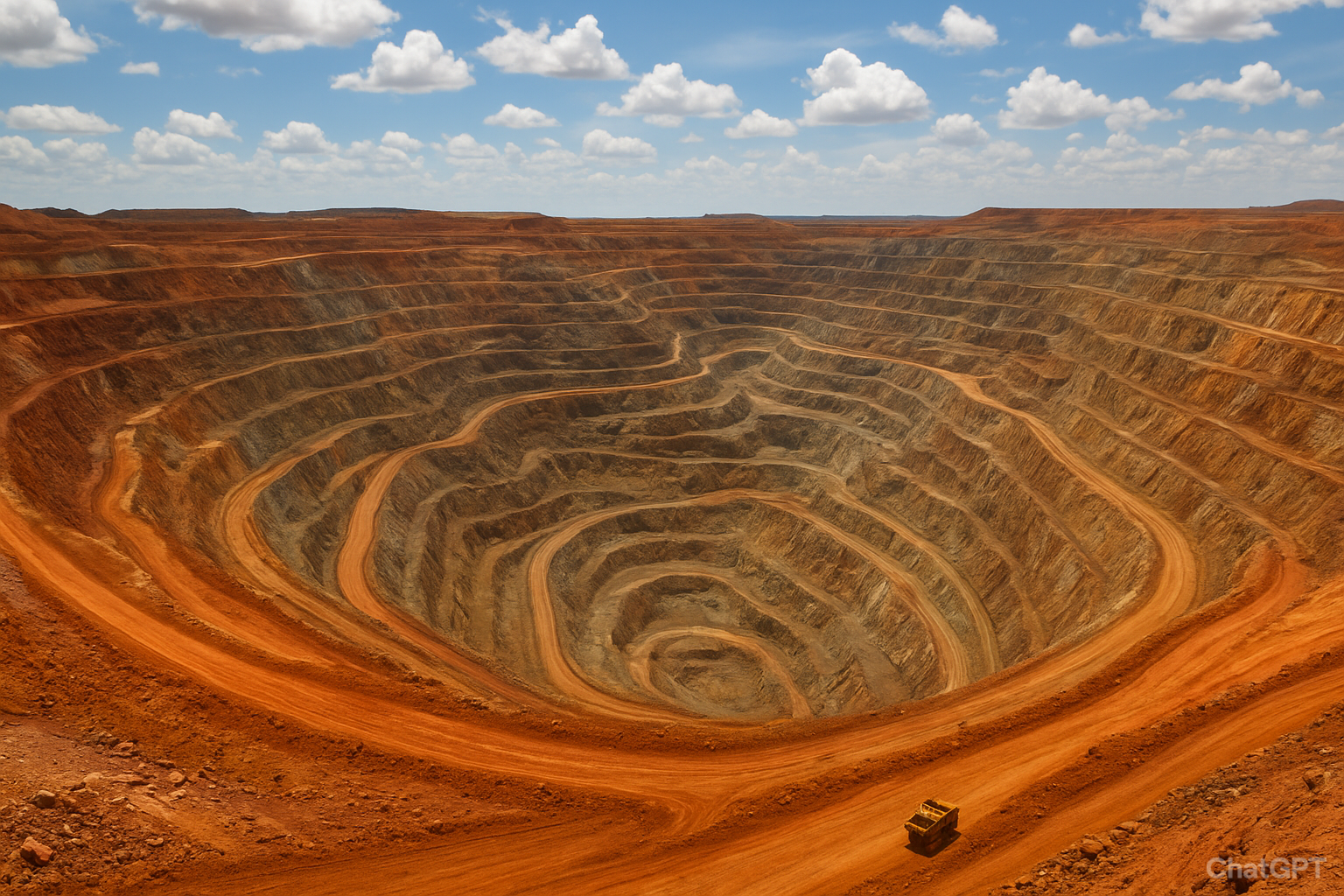
Copper mining is a critical industry that provides one of the most essential metals for modern life. It involves extracting copper from ore through surface or underground methods, supporting industries like electrical infrastructure, renewable energy, and transportation. The demand for copper continues to grow substantially due to its key role in the global shift toward green energy and advanced technologies.
Major copper-producing countries like Chile and Canada lead global output, with some of the largest mines operating at high altitudes or on expansive land areas. The mining process itself is complex and energy-intensive, involving multiple stages from exploration to refining. As supply struggles to keep pace with rising demand, copper mining remains central to both economic development and the future of sustainable resources.
The industry faces challenges such as slow mine development and geopolitical factors affecting supply chains. However, ongoing exploration and partnerships aim to unlock new deposits and improve production efficiency. Understanding copper mining helps clarify its importance in shaping the economy and energy systems worldwide.
Copper Mining Processes
Copper mining involves multiple precise steps that convert raw ore into usable metal. These steps include identifying viable mineral deposits, extracting the ore via specific methods, concentrating the ore to increase copper content, and refining the final product through smelting.
Exploration and Discovery
Exploration starts with geological surveys to locate copper deposits. Techniques involve sampling rock, soil, and using geophysical tools like magnetometers or resistivity meters to detect ore bodies underground. Understanding the mineral composition and size of a deposit is crucial before mining begins.
Drilling programs follow to collect core samples, giving insight into depth and ore grade. Economic feasibility studies weigh the cost of extraction against potential yields. Exploration also assesses environmental and regulatory considerations, ensuring the project fits local standards.
Extraction Techniques
Copper ore extraction employs two main methods: open-pit and underground mining. Open-pit mining is used when ore deposits are near the surface. It involves removing layers of soil and rock to access the copper.
Underground mining is necessary for deeper ore bodies. It uses tunnels or shafts to reach and extract the ore. Both methods require blasting and hauling materials to the surface for further processing. The choice depends on ore depth, geology, and economic factors.
Ore Processing and Concentration
Once extracted, copper ore undergoes crushing and grinding to break it into smaller pieces. This prepares it for flotation, a process that separates copper minerals from waste rock. Flotation uses chemicals and air bubbles to create copper-rich froth.
This concentration increases copper content from less than 1% in ore to about 20-30% in concentrate. The concentrate is then filtered and dried, ready for smelting. This stage improves efficiency by reducing the amount of material moved and processed.
Refining and Smelting
Smelting involves heating copper concentrate at high temperatures in a furnace. This separates valuable copper from impurities, producing a product called matte, containing copper and iron sulfides. Further processing removes iron and sulfur.
Electrolytic refining follows, where copper anodes are dissolved in a solution and pure copper is plated onto cathodes. This produces copper sheets with 99.99% purity. These cathodes are suitable for manufacturing electrical wiring, plumbing, and other products requiring high-quality copper.
Applications and Impact of Copper Mining
Copper mining supports several critical sectors through its contribution to industrial development and economic growth. However, its extraction process also raises environmental challenges and social concerns that require careful attention and management.
Industrial and Economic Significance
Copper is fundamental to modern infrastructure, powering electrical wiring, electronics, and renewable energy technologies. The demand for copper is rising due to its essential role in electric vehicles and sustainable construction.
Mining operations generate significant employment and stimulate local economies by attracting investments and supporting related industries. Copper extraction often results in by-products like rare earth elements, which have their own industrial applications.
Continued global development and population growth drive mining expansions, making copper a key resource in maintaining industrial productivity and technological advancement.
Environmental Considerations
Copper mining involves intensive land disturbance and chemical processes that cause habitat destruction, water contamination, and air pollution. These impacts have direct effects on ecosystems and local water quality.
Energy consumption during extraction contributes to greenhouse gas emissions, emphasizing the need to implement cleaner technologies. Some mining operations are adopting sustainable practices to mitigate environmental harm, including waste reduction and improved water management.
Strict regulations and monitoring are critical to minimize the environmental footprint, especially in areas with sensitive ecological balances.
Community and Social Effects
Copper mining significantly affects nearby communities in terms of health, livelihoods, and social dynamics. Pollution from mining activities can lead to respiratory and waterborne diseases among residents.
Mining projects often alter land use, affecting agriculture and access to natural resources. This can cause displacement or restrict community development if not managed properly.
Social impacts also involve economic benefits, such as local job creation and infrastructure improvements. However, balancing these gains with environmental protection and social well-being remains a key challenge for mining companies and regulators.

