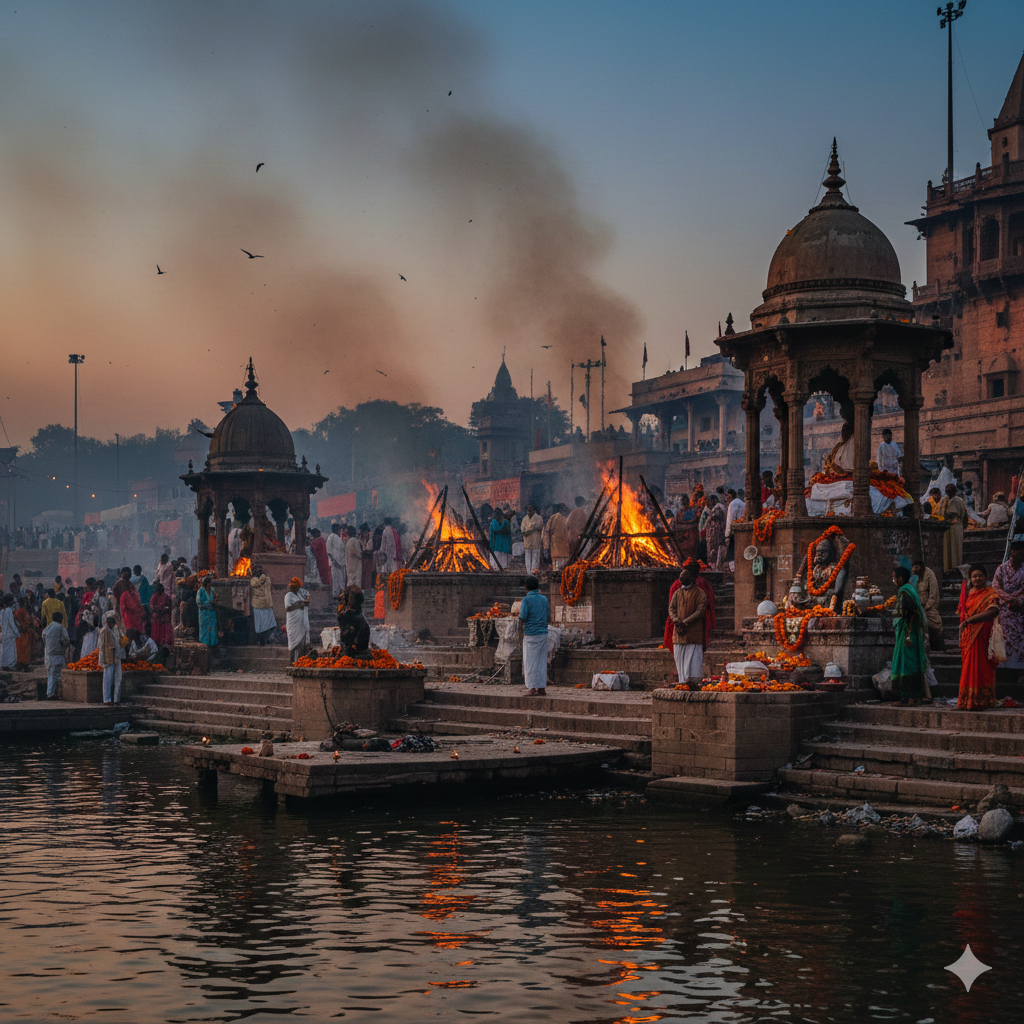
Losing someone forces you to make quick, important choices, and knowing how cremation services in Delhi helps you act with confidence and respect. You can arrange compassionate, legally compliant cremations across Delhi using services that handle everything from traditional wood pyres to electric crematoria, paperwork, priests, and transport—often with 24/7 support.
This article walks you through the practical options available, the typical steps to arrange a service, and what to expect from providers so you can focus on honoring your loved one rather than logistics. Follow the guidance to make informed decisions that match your family’s traditions, timeline, and budget.
Cremation Service Options in Delhi
You can choose from several service types, select a cremation ground in a specific district, and decide between traditional wood pyres or electric/modern crematoriums. Costs, timing, and ritual support vary by option and location.
Types of Cremation Services
You can select full-service packages that handle paperwork, body transport, rituals, and post-cremation ashes delivery. Many providers offer 24/7 emergency pickup; confirm whether vehicle, stretcher, and police FIR assistance are included.
Budget cremations typically cover basic electric cremation, minimal ritual items, and short waiting times. Premium packages add a pandit, floral arrangements, a dedicated vehicle, and a private waiting room.
If you prefer minimal contact, direct cremation (no ceremony) is available at many sites; you should check whether an attendant or family viewing is permitted. Compare fixed-price quotes and itemized bills to avoid surprise fees for permits, storage, or late-night services.
Locations of Cremation Grounds
Delhi has multiple cremation grounds spread across zones: north (e.g., Seemapuri), south (e.g., Nigambodh Ghat), east, west, and central areas. Each location differs in capacity, queue times, and available facilities like electric chambers, wood pyre ghats, and waiting rooms.
Choose a site based on proximity to family, transport access, and whether the ground supports your preferred ritual (Ghat for traditional Hindu rites versus fully electric municipal crematoriums). Check operating hours and peak times; some grounds get crowded during mornings and evenings, which can affect scheduling and travel arrangements.
Traditional vs. Modern Cremation Methods
Traditional wood pyre cremation follows Hindu customs and often takes place at river ghats or designated pyre areas. You should plan for fuel wood, pandit services, and space for extended family; local grounds may require specific permits and adherence to environmental regulations.
Modern methods use electric or gas crematorium chambers that reduce smoke, shorten service time, and often provide sealed ash collection. These facilities usually offer timed slots, digital documentation, and cleaner surroundings. Decide based on religious requirements, environmental concerns, and how quickly you need the ashes returned.
Arranging a Cremation Service in Delhi
You will need to handle paperwork, choose a crematorium (electric or traditional), and arrange transport and ritual support. Decide quickly on the crematorium and service level to avoid delays during a time-sensitive period.
Required Documentation and Permits
You must present the deceased’s government photo ID (Aadhaar or passport) and the original death certificate issued by the hospital or municipal authority. If death occurred at home, obtain a medico-legal certificate from the local hospital or police clearance if required.
Bring the deceased’s family ration card or any document proving relationship when the crematorium requires next-of-kin verification. For non-residents or foreigners, include passport, visa, and embassy paperwork for repatriation or special permits. Keep multiple photocopies and at least one scanned copy on your phone.
Certain crematoria require a cremation authorization form and a no-objection certificate from the local municipality; ask the chosen facility about their specific checklist before arrival. If you plan a morning slot, submit documents the previous evening to secure the time.
Booking Process and Timelines
Contact your chosen crematorium or funeral service as soon as possible; many Delhi crematoria accept slots on the same day but popular times and premium facilities can book out. Electric crematoriums in municipal or hospital complexes usually allow online or phone booking; private vendors often offer 24/7 arrangements with shorter notice.
Expect the full booking and verification process to take 30–90 minutes once at the facility. If you need a particular priest, vehicle, or floral arrangements, reserve them alongside the slot — these add 1–3 hours to coordination time. For repatriation or legal formalities, plan 2–5 business days for document processing.
Confirm the cremation time, arrival window, and any fees in writing (SMS, email, or a receipt). Ask about wait times for religious rites and whether the crematorium provides a separate waiting room or streaming options if family cannot attend in person.
Support Services and Assistance
Choose from services that handle transport, stretcher and body wrapping, pandit/priest arrangements, floral garlands, and obituary notices. Many Delhi providers offer packages: basic handling starts at lower rates, while end-to-end management covers permits, transport, and rituals.
If you need medical or police clearances, funeral service coordinators can liaise with hospitals and local authorities on your behalf. For families seeking minimal contact, request a “direct cremation” option where rites are minimal and staff complete the process.
Ask about grief support, counselling referrals, and documentation help for insurance or pension claims. Verify which services are included in any quoted package and get an itemized receipt for each service to avoid unexpected charges.

