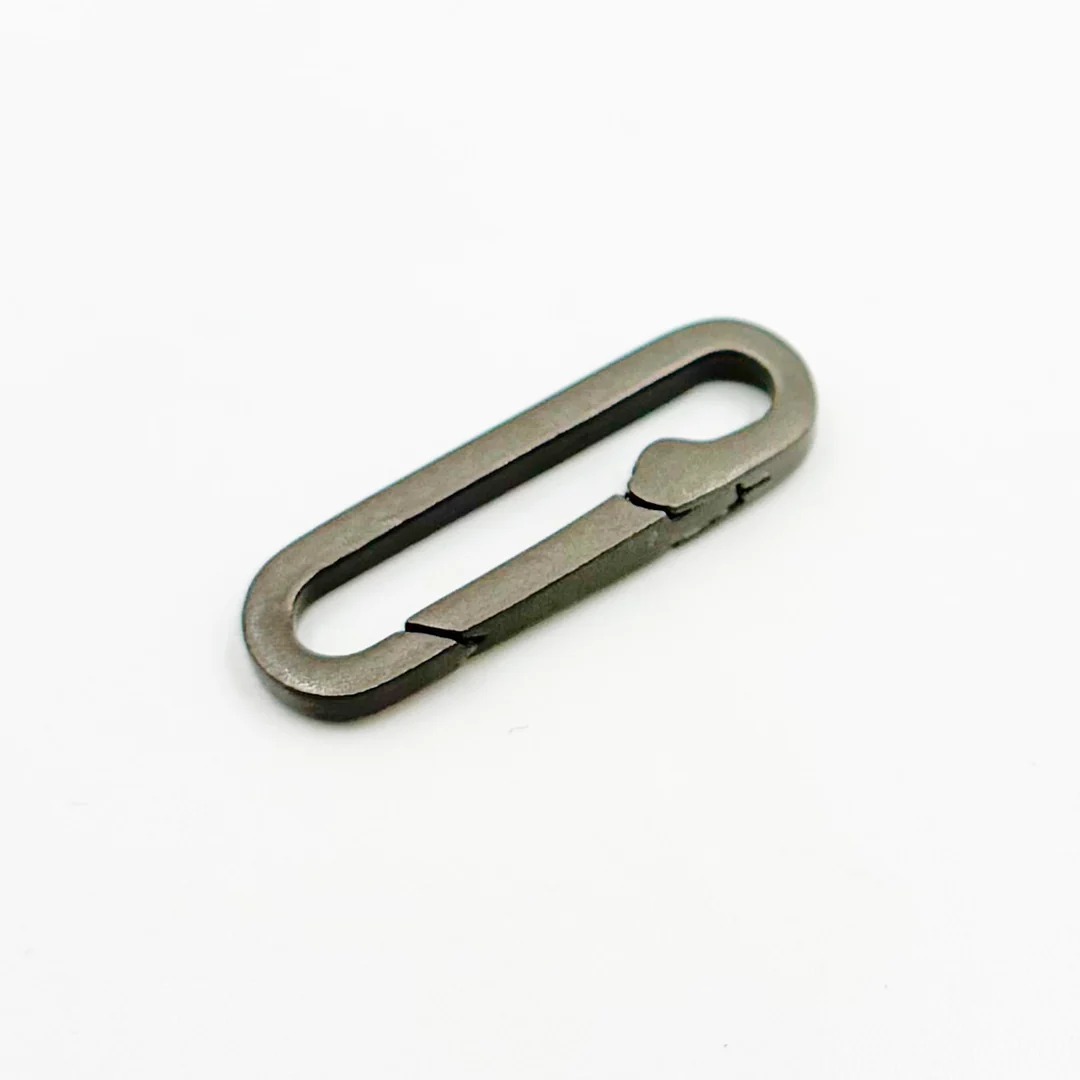
A clasp is not just a functional closure. It determines how secure, wearable, and refined a piece of jewelry feels. Whether you design jewelry or buy it with intention, the right clasp can elevate the entire piece while the wrong one can quietly ruin it.
Choosing the perfect silver clasp requires understanding materials, mechanics, aesthetics, and real world wear. This guide breaks down everything you need to know so your jewelry performs beautifully and lasts for years.
Most people focus on gemstones, chains, or beadwork, yet the clasp carries daily responsibility. It bears tension, handles repeated opening and closing, and protects against loss.
A poorly chosen clasp can weaken over time, irritate skin, or disengage without warning. A high quality Silver Clasp, on the other hand, blends strength with comfort while enhancing visual balance.
Jewelry professionals treat clasp selection as a design decision, not an afterthought.
Silver remains a preferred metal for clasps because it offers durability, flexibility, and visual neutrality. It complements both minimalist and ornate designs without overpowering them.
Pure silver is too soft for daily wear, which is why alloys are used. The most reliable option in fine jewelry is sterling silver, containing 92.5 percent silver blended with strengthening metals.
Well made Sterling Silver Clasps resist deformation, maintain their shape, and develop a graceful patina rather than structural weakness.
Each clasp style serves a different purpose. Choosing the wrong one can compromise usability or safety.
Strong, secure, and widely used. Ideal for necklaces and bracelets that see frequent wear. Their spring mechanism holds up well over time.
Lightweight and subtle. Best for delicate chains where visual minimalism matters more than ease of use.
Stylish and decorative. Best for heavier pieces with balanced weight distribution. Not recommended for high activity wear.
Elegant and secure. Common in statement jewelry and multi strand designs. Often enhanced with safety latches.
Match clasp mechanics to jewelry weight, intended movement, and wearer lifestyle.
Proportion matters. A clasp that is too small may strain under tension. One that is too large disrupts visual harmony.
Heavier chains require reinforced clasps with thicker gauge metal. Delicate necklaces benefit from streamlined clasps that do not pull the chain backward.
Professional designers test clasp weight distribution to ensure the jewelry sits naturally when worn.
This depends on design intent.
Decorative clasps work well when placed at the front or side, acting as focal elements. They are common in artisan and statement jewelry.
Hidden clasps support a seamless aesthetic. These are ideal for classic or gemstone centered designs where attention should remain uninterrupted.
There is no universal rule, only alignment with the story the jewelry tells.
Clasps touch skin directly, often behind the neck or on the wrist. Poor finishing can cause irritation or snagging.
Look for smooth edges, polished surfaces, and well seated joints. High quality silver clasps feel almost invisible when worn.
This is especially important for customers with sensitive skin or those who wear jewelry for extended periods.
Craftsmanship reveals itself in small details.
Check spring tension. It should feel firm, not loose or gritty. Examine solder joints for clean seams. Inspect surface polish for consistency.
Trusted suppliers like Tresor Jewelry Inc source clasps that meet professional jewelry standards, ensuring reliability and longevity across collections.
Quality clasps cost more but prevent costly repairs and customer dissatisfaction later.
Absolutely.
Clasps are stress points. Weak metals fatigue faster, causing cracks or accidental openings. Strong silver alloys distribute tension evenly and withstand repeated use.
A durable clasp extends the life of the entire piece, protecting gemstones, chains, and craftsmanship investment.
Longevity is not accidental. It is engineered through material choice and design foresight.
Experienced jewelers evaluate three things first.
Wear frequency
Jewelry worn daily needs reinforced clasps.
User dexterity
Some clasps are difficult for limited mobility hands.
Visual balance
The clasp should complement, not compete.
This thoughtful approach ensures functionality aligns with beauty.
The right clasp is invisible when chosen well and painfully noticeable when chosen poorly. It safeguards value, enhances comfort, and completes design integrity.
Whether you are creating jewelry or investing in it, understanding clasp selection empowers better decisions. Silver remains a timeless choice when quality and craftsmanship lead the process.
Choose with intention, test with care, and never underestimate the smallest component of fine jewelry.

